Craving that delicious, savory flavor of restaurant-style noodles but want it fresh from your own kitchen? This is the ultimate Chow Mein Recipe you’ve been searching for. Forget the soggy, bland versions; we’re making a dish that’s bursting with flavor, loaded with crisp vegetables and your favorite protein, all tossed in a perfectly balanced sauce. In less than 30 minutes, you can whip up a meal that’s not just better than takeout, but healthier and more affordable too. Get ready to make this your new weeknight favorite.
What is Chow Mein?
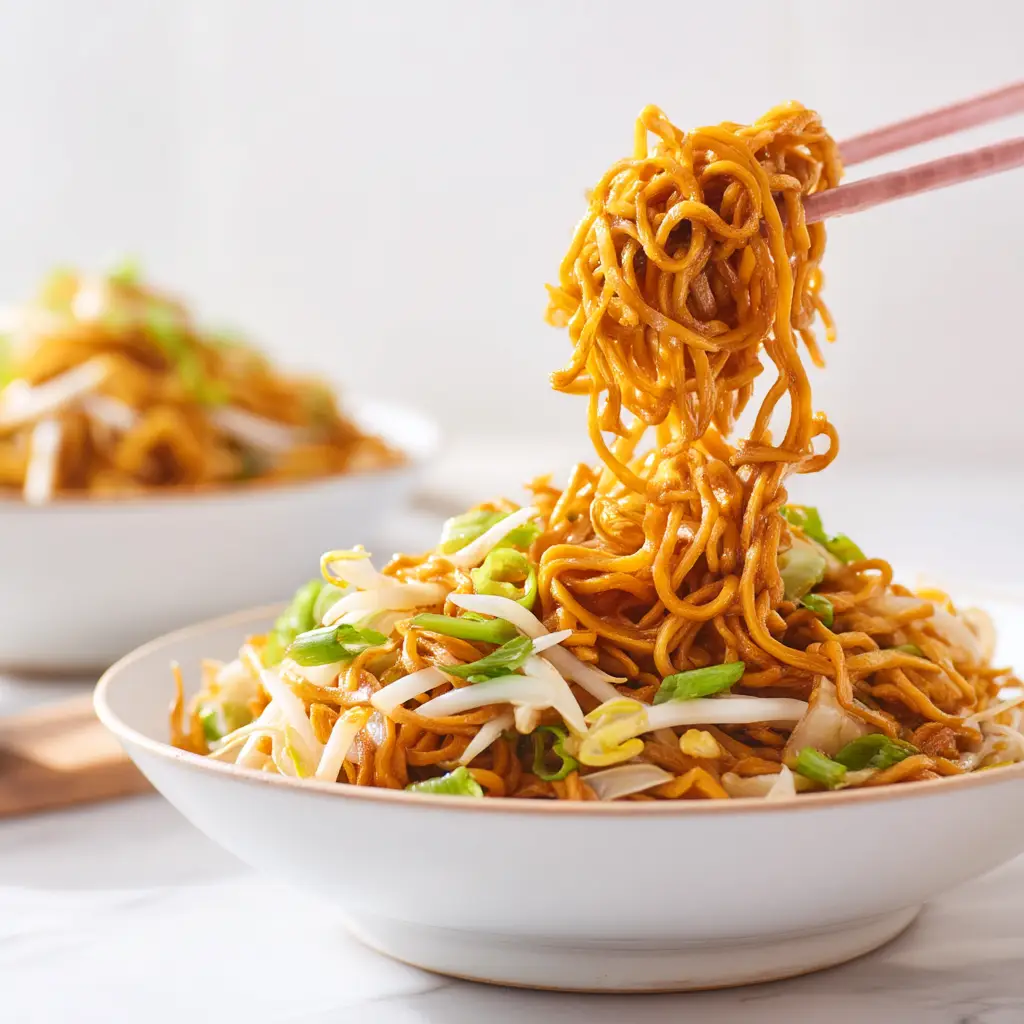
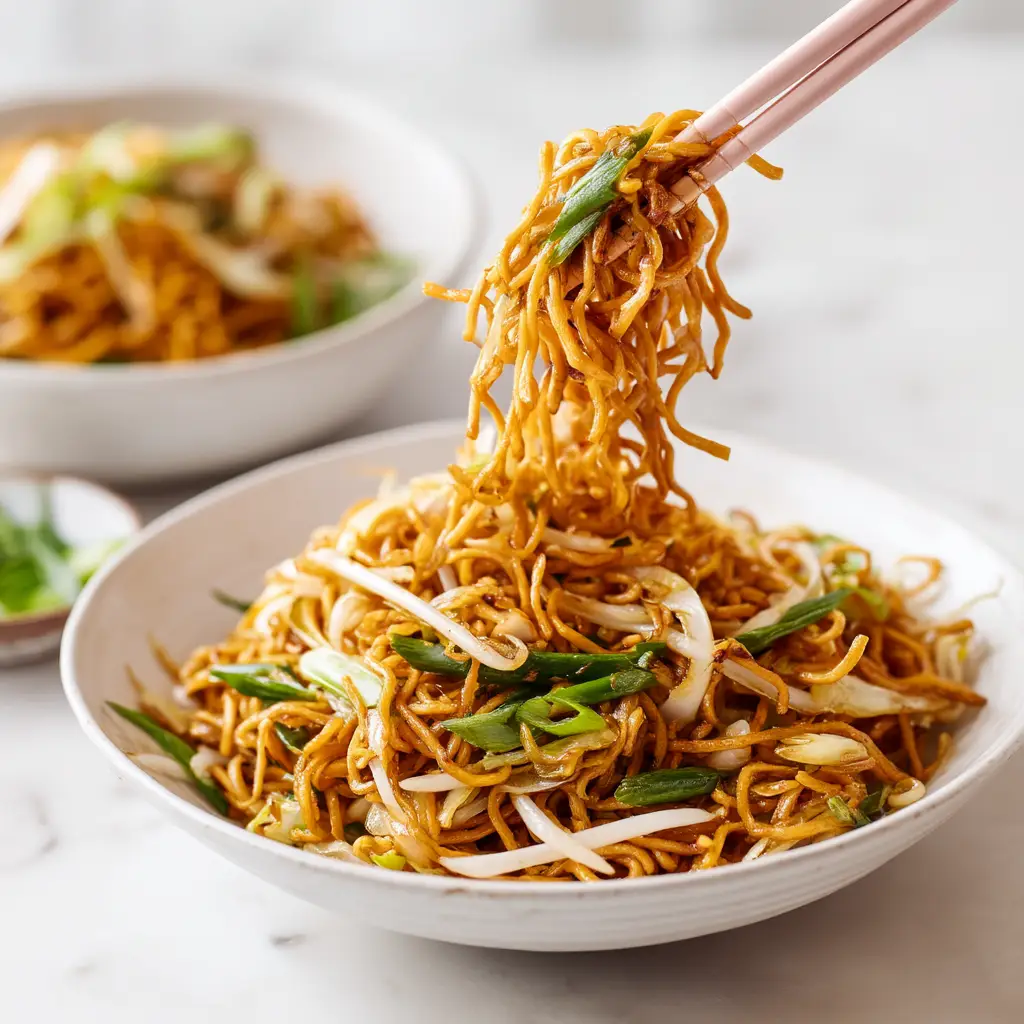
At its heart, Chow Mein is a classic Chinese stir-fried noodle dish. The name itself translates to “stir-fried noodles.” The defining characteristic is the texture of the noodles. They are typically boiled first, then added to a hot wok or skillet with oil to be pan-fried until they are slightly crisp on the edges. This process gives them a delightful chewiness with a satisfyingly firm bite. The crispy noodles are then tossed with a savory sauce, vegetables like cabbage, celery, and bean sprouts, and often a protein such as chicken, beef, or shrimp.
The Difference Between Chow Mein and Lo Mein
The biggest question in the world of Chinese noodles is the difference between Chow Mein and Lo Mein. It all comes down to the noodle preparation. For this Chow Mein recipe, we fry the noodles to achieve a crispy texture. In contrast, Lo Mein noodles are fully cooked and simply tossed with the sauce and other ingredients, resulting in a much softer, pasta-like dish. Think of it this way: “Chow Mein” means fried noodles, while “Lo Mein” means tossed noodles.
Why You’ll Love This Easy Chow Mein Recipe
- Incredibly Fast: This entire meal comes together in under 30 minutes, making it perfect for busy weeknights. It’s one of those fantastic lazy dinner ideas that tastes like you spent hours on it.
- Completely Customizable: Don’t have chicken? Use ground turkey or beef. Want to clean out the veggie drawer? Toss in whatever you have! This recipe is a perfect template.
- Packed with Flavor: The simple yet powerful sauce combines soy sauce, oyster sauce, sesame oil, and a touch of sugar for a taste that’s savory, slightly sweet, and utterly addictive.
- Better Than Takeout: You control the ingredients, meaning less oil, less sodium, and way more fresh flavor than your average takeout container.
The Key Ingredients for Authentic Chow Mein
Crafting the perfect homemade Chow Mein Recipe starts with the right ingredients. While flexible, a few key components create that authentic flavor profile we all love.
Choosing the Right Noodles
The star of the show! For the best results, look for thin, steamed noodles labeled as “Chow Mein” or “Hong Kong-style pan-fried noodles” at an Asian grocery store. If you can’t find them, you can easily substitute with dried ramen noodles (discard the seasoning packet) or even thin spaghetti, cooked al dente.
The Perfect Chow Mein Sauce
This sauce is what brings everything together. It’s a simple but magical combination:
- Soy Sauce: The savory, salty backbone of the sauce. Use a low-sodium version to control the saltiness.
- Oyster Sauce: Adds a deep, rich, umami flavor with a hint of sweetness.
- Toasted Sesame Oil: For that signature nutty, aromatic finish.
- Cornstarch: Helps to thicken the sauce just enough so it clings perfectly to every noodle and vegetable.
- Sugar & Ginger: Balances the saltiness and adds a touch of warmth and spice.
Proteins and Vegetables
Here’s where you can get creative. We’re using thinly sliced chicken breast, but you could easily swap it for beef, shrimp, or tofu. For the vegetables, a classic mix of cabbage, shredded carrots, celery, and bean sprouts provides the perfect crunch and freshness.
How to Make This Chicken Chow Mein Recipe: A Step-by-Step Guide
Making this Chow Mein Recipe at home is surprisingly simple. The key is to have all your ingredients prepped and ready to go before you start cooking, as the stir-frying process happens very quickly. We call this ‘mise en place’!
- Prepare the Noodles: Cook the chow mein noodles according to package directions, usually just a few minutes in boiling water. Drain them well and set aside.
- Mix the Sauce: In a small bowl, whisk together the soy sauce, oyster sauce, sesame oil, sugar, ginger, and cornstarch. This flavor-packed sauce is the secret to a great chow mein.
- Cook the Chicken: Heat a large wok or skillet over high heat with a tablespoon of oil. Add the thinly sliced chicken and cook until it’s golden brown and cooked through. Remove the chicken from the wok and set it aside.
- Stir-Fry the Vegetables: Add another tablespoon of oil to the hot wok. Add the celery and carrots and stir-fry for 2-3 minutes until they begin to soften. Add the cabbage and continue to cook for another minute.
- Fry the Noodles: Push the vegetables to the side of the wok. Add the drained noodles to the empty space and drizzle with a bit more oil. Let them sit for a minute or two without moving to allow them to get slightly crispy. Then, toss everything together.
- Combine and Serve: Add the cooked chicken back into the wok. Pour the prepared sauce over everything and toss continuously for 1-2 minutes, until the sauce has thickened and everything is well-coated. Stir in the bean sprouts and green onions, give it one final toss, and serve immediately. Looking for another great chicken dish? Try these fantastic chicken street tacos.
Tips for the Best Homemade Chow Mein
- Use High Heat: A hot wok or skillet is crucial for getting that classic stir-fry flavor and preventing the ingredients from steaming instead of searing.
- Don’t Crowd the Pan: If you’re doubling the recipe, cook the ingredients in batches to ensure everything cooks evenly and the noodles get a chance to crisp up.
- Prep Everything First: Stir-frying moves fast. Have your vegetables chopped, your chicken sliced, and your sauce mixed before you even turn on the stove. This makes the process smooth and stress-free, just like our favorite one-pot chicken orzo.
Variations and Substitutions
- Beef Chow Mein: Swap the chicken for thinly sliced flank steak.
- Shrimp Chow Mein: Use raw, peeled shrimp and add them in the last few minutes of cooking, just until they turn pink.
- Vegetable Chow Mein: Omit the protein and double up on the vegetables. Broccoli, bell peppers, and mushrooms are all great additions.
Storing and Reheating Leftovers
Store leftover chow mein in an airtight container in the refrigerator for up to 3 days. To reheat, simply toss it in a hot skillet with a splash of water or oil for a couple of minutes until warmed through. The microwave works too, but the stovetop method helps revive some of the noodle texture.
Frequently Asked Questions About Chow Mein
Absolutely! To make a vegetarian version, simply omit the chicken and add more vegetables like broccoli, bell peppers, and mushrooms. You can also add firm tofu or edamame for extra protein. Be sure to use a vegetarian oyster sauce alternative.
The key to crispy noodles is to use a hot wok or skillet, ensure the noodles are relatively dry after boiling, and don’t move them for a minute or two once they hit the hot oil. This allows them to form a crispy, golden-brown crust.
Store leftovers in an airtight container in the refrigerator for up to 3 days. The best way to reheat is in a skillet over medium-high heat with a splash of oil or water, tossing until heated through. This helps revive the noodle texture better than a microwave.
The best noodles are fresh, steamed noodles often labeled as ‘chow mein noodles’ or ‘Hong Kong-style pan-fried noodles.’ If you can’t find those, dried ramen noodles or even thin spaghetti cooked al dente are excellent substitutes.
The primary difference is the noodle preparation. In chow mein, the noodles are stir-fried until they are slightly crispy. In lo mein, fully cooked noodles are simply tossed with the sauce and other ingredients, resulting in a softer texture.
More Noodle Recipes You’ll Love
If you enjoyed this easy chow mein recipe, you’ll love exploring other noodle dishes! Give our creamy French onion pasta bake a try for a comforting meal, or explore the bold flavors of this Vietnamese noodle salad.
Enjoy Your Homemade Chow Mein!
There you have it—a simple, delicious, and versatile Chow Mein Recipe that will have you skipping the takeout line for good. It’s the perfect dish to master for a quick dinner that the whole family will love. If you make it, we’d love to see! Share your creations and tag us on Pinterest.

Chow Mein Recipe
Chow Mein Recipe (Better Than Takeout!)
Ingredients
Equipment
Method
- Cook the chow mein noodles according to package directions. Drain well. In a small bowl, whisk together all sauce ingredients: soy sauce, oyster sauce, sesame oil, sugar, ginger, and cornstarch. Set aside.
- Heat 1 tbsp of oil in a large wok or skillet over high heat. Add the sliced chicken and stir-fry until golden and cooked through. Remove from the wok.
- Add 1 tbsp of oil to the wok. Add celery and carrots, and stir-fry for 2-3 minutes. Add the shredded cabbage and cook for 1 more minute until slightly wilted.
- Push the vegetables to the sides of the wok. Add the final tbsp of oil and the drained noodles to the center. Let them cook, undisturbed, for 2 minutes to get crispy. Then, toss with the vegetables.
- Return the cooked chicken to the wok. Pour the sauce over everything and toss to combine until the sauce thickens and coats all ingredients. Stir in the bean sprouts and green onions, toss once more, and serve immediately.
Notes
Prep Ahead: This dish cooks very quickly. Have all your vegetables chopped, chicken sliced, and sauce mixed before you start cooking.
Don't Overcook Noodles: Cook noodles just until al dente. They will cook further in the wok, and this prevents them from becoming mushy.