The Oven Baked Jambalaya is a triumph of Cajun-inspired soul food, bringing the vibrant, smoky flavors of Louisiana straight to your kitchen with a foolproof technique. By moving this classic recipe from the temperamental stovetop to the consistent heat of the oven, we achieve a texture that is second to none.
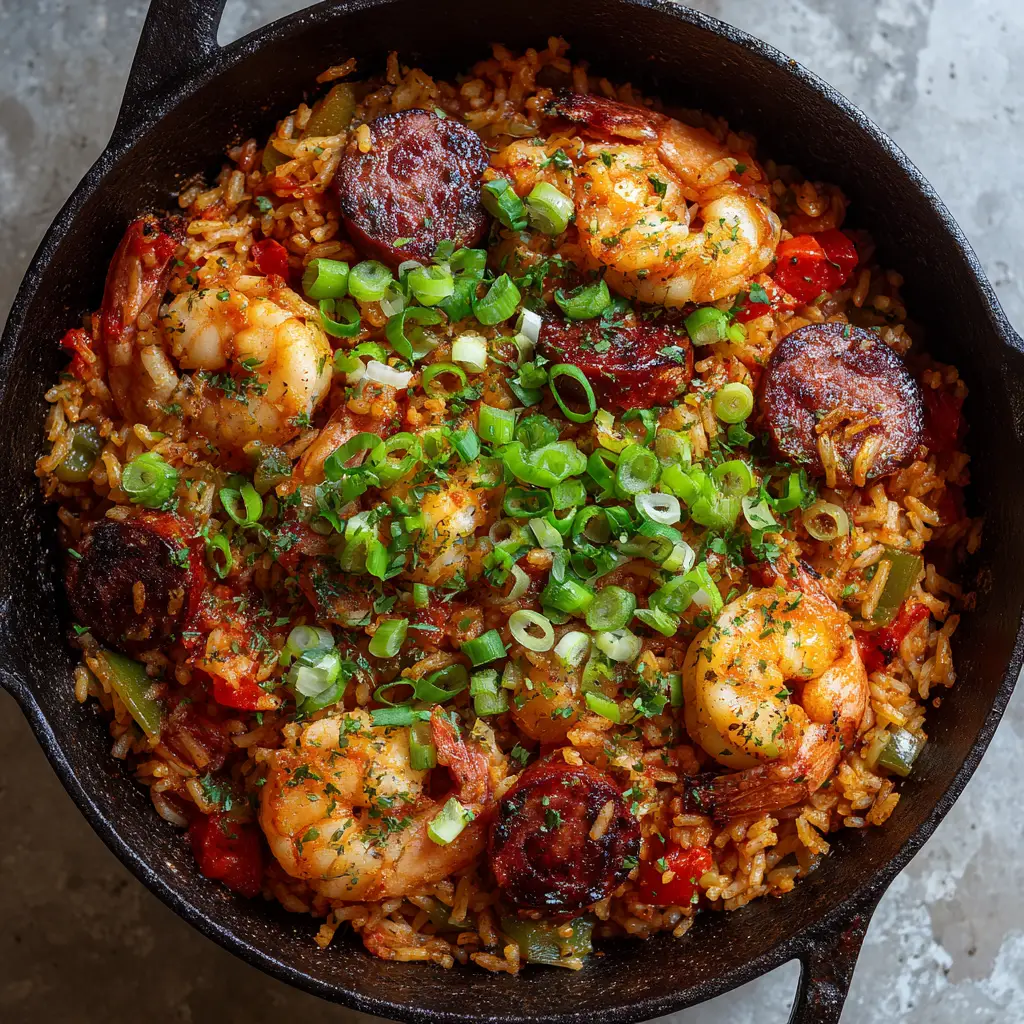
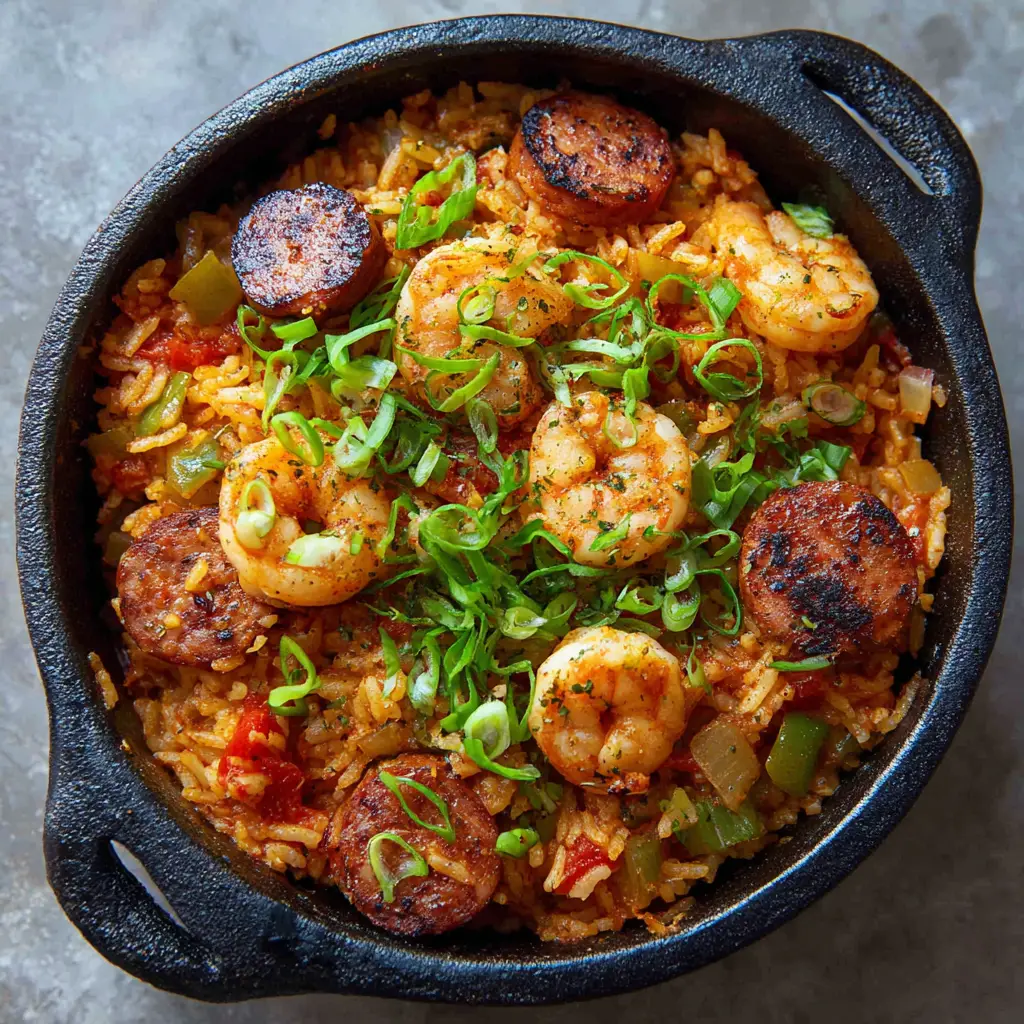
Imagine a rustic black cast iron Dutch oven sitting center-stage on your counter, steam rising to reveal individual grains of long-grain rice stained a deep, reddish-orange. This isn’t just a meal; it is a visual masterpiece of plump pink shrimp, charred sausage, and the aromatic “Holy Trinity” of vegetables.
Whether you are a seasoned pro or a curious home cook, this Oven Baked Jambalaya delivers professional results every time. It eliminates the common pitfalls of scorched bottoms or mushy grains, replacing them with a fluffy, flavor-packed experience that will have everyone asking for seconds.
The Unbeatable Appeal of Dutch Oven Baked Rice
- Perfectly Fluffy Grains: Unlike stovetop methods, the ambient heat of the oven ensures each grain of rice absorbs the stock evenly without breaking or becoming gummy.
- Deeply Developed Aromatics: Sautéing the onions, bell peppers, and celery until translucent creates a foundational sweetness that permeates the entire dish.
- Symphony of Textures: From the snap of the C-shaped seared shrimp to the crispy, browned edges of the andouille sausage, every bite offers a new sensory experience.
- One-Pot Cleanup: Utilizing a single cast iron vessel means you spend less time at the sink and more time enjoying your culinary creation.
- Visually Stunning Presentation: The contrast between the vibrant green onions, the reddish-orange rice, and the golden-brown proteins makes this a centerpiece-worthy dinner.
Essential Components for a Truly Authentic Flavor
To achieve the specific visual and flavor profile of our Oven Baked Jambalaya, each ingredient must be chosen with care. We use a combination of bold spices and fresh produce to build layers of complexity.
Long-Grain White Rice: 2 cups (400g). This variety is essential for its ability to stay separate and fluffy; do not substitute with short-grain rice, which contains too much starch for this application.
Smoked Andouille Sausage: 12 oz (340g). Sliced into thick rounds, this provides the “smoky” backbone of the dish and yields the rendered fat needed to sauté our vegetables.
Large Shrimp: 1 lb (450g), peeled and deveined. These are seared quickly to achieve a pink, C-shaped curl and a succulent, tender interior that contrasts the hearty rice.
The Holy Trinity: 1 cup (150g) diced onion, 1 cup (150g) diced green bell pepper, and 1/2 cup (75g) diced celery. This classic base provides the aromatic foundation required for any authentic Creole or Cajun recipe.
Tomato Paste: 2 tbsp (32g). This is the secret to the “deeply stained reddish-orange” rice grains seen in the visual blueprint, providing both color and a concentrated umami punch.
Chicken Stock: 3.5 cups (840ml). Low-sodium stock allows you to control the salt levels while ensuring the rice has enough liquid to fully hydrate during the baking process.
Creole Seasoning & Dried Herbs: 2 tbsp (30g) seasoning and 1 tsp (1g) dried herb flakes (thyme and oregano). These spices provide the heat and the “fine dusting” of visual texture over the finished dish.
Fresh Green Onions: 1/2 cup (50g), sliced. These are added at the very end to provide a “vibrant” pop of color and a fresh, sharp bite to balance the rich fats.
The Gear You Need for High-Performance Cooking
To replicate the rustic look of our Oven Baked Jambalaya, a 5-to-7 quart (4.7-6.6L) cast iron Dutch oven is the gold standard. The heavy lid creates a tight seal, trapping steam to cook the rice perfectly while the thick walls maintain a steady temperature.
You will also need a sharp chef’s knife for dicing the vegetables into uniform bits and a wooden spoon or spatula for scraping up the “fond”—the brown bits stuck to the bottom of the pot after searing the meat. These bits are concentrated flavor gold.
Mastering the Art of Oven Baked Jambalaya: Step-by-Step
Phase 1: Searing the Proteins for Maximum Flavor
Preheat your oven to 350°F (175°C). Place your Dutch oven over medium-high heat with 1 tbsp (15ml) of vegetable oil. Once the oil shimmers, add the andouille sausage rounds in a single layer.
Sear the sausage for 3-4 minutes per side until you see “visible charred, crispy edges.” Remove the sausage with a slotted spoon, leaving the flavorful rendered fat behind. In the same pot, sear the shrimp for just 60 seconds per side until they turn pink and opaque. Set them aside.
Phase 2: Developing the Aromatic Base
Reduce the heat to medium and add the diced onions, green bell peppers, and celery bits. Sauté these for 5-7 minutes. You are looking for a specific sensory cue: the onions should become “translucent” and the peppers “softened,” releasing a sweet, vegetal aroma.
Stir in the tomato paste and Creole seasoning. Cook for 2 minutes, stirring constantly. You will notice the paste turning from a bright red to a dark brick red as the sugars caramelize, which is vital for staining the rice that signature reddish-orange hue.
Phase 3: The Toasting and Liquid Integration
Add the 2 cups (400g) of long-grain rice to the pot. Stir for 2-3 minutes to toast the grains. You should hear a faint crackling sound; this ensures the rice stays fluffy and doesn’t clump together in the oven.
Pour in the chicken stock and use your spoon to scrape the bottom of the Dutch oven. This deglazing process incorporates all the seared meat juices into the liquid. Bring the mixture to a simmer, then stir in the browned sausage rounds.
Phase 4: The Hands-Off Oven Bake
Cover the Dutch oven with its heavy lid and transfer it to the center rack of your oven. Bake for 25-30 minutes. Resist the urge to open the lid; the trapped steam is doing the work of hydrating the rice grains.
Once the time is up, remove the pot from the oven. Quickly lift the lid, tuck the seared pink shrimp into the surface of the rice, and replace the lid for 5 minutes. The residual heat will finish the shrimp without overcooking them.
Phase 5: The Finishing Flourish
Remove the lid and fluff the rice gently with a fork. You will see fluffy grains “deeply stained” with the tomato and stock. Garnish heavily with “vibrant sliced green onions” and a “fine dusting of dried herb flakes” to match the visual blueprint.
Pro Tips for Professional Results
- Rinse Your Rice: Always rinse your long-grain rice in a fine-mesh sieve until the water runs clear. Removing excess surface starch is the #1 way to prevent mushy jambalaya.
- Don’t Overcook the Shrimp: Adding the shrimp only at the very end ensures they remain “plump” and “C-shaped” rather than rubbery and tight.
- The Resting Period: Letting the dish sit covered for 5-10 minutes after baking allows the moisture to redistribute, resulting in a more uniform texture.
- Quality of Stock: Since the rice absorbs all the liquid, use a high-quality stock or bone broth for the most “rich” and “smoky” flavor profile.
Storing and Reheating Your Creole Masterpiece
The Oven Baked Jambalaya makes for incredible leftovers as the flavors continue to marry in the fridge. Store in an airtight container for up to 3 days. To reheat, add a splash of stock or water to the rice and microwave covered, or warm it in a skillet over low heat.
While you can freeze jambalaya, be aware that the shrimp may lose some of their snap upon thawing. If you plan to freeze a large batch, consider freezing the rice and sausage base and adding fresh shrimp when you are ready to serve.
What to Serve with Oven Baked Jambalaya
This hearty one-pot meal is quite filling on its own, but it pairs beautifully with bright, acidic sides that cut through the spice. A bowl of crispy jalapeno slaw provides a refreshing crunch that complements the smoky sausage.
If you want to lean into a full Southern feast, serve this alongside a creamy Mexican street corn salad or some toasted three-cheese tomato bruschetta for a unique fusion appetizer. For a sweet finish to balance the heat, try a light Better Than Sex fruit salad or a slice of strawberry banana pudding cake.
Frequently Asked Questions
While a Dutch oven is best for heat retention, you can use any heavy, oven-safe pot with a very tight-fitting lid. If the lid is loose, cover the pot with foil before putting the lid on.
Absolutely. If using chicken, use boneless thighs cut into bite-sized pieces and sear them at the beginning along with the sausage to ensure they are fully cooked.
The heat level depends on your Creole seasoning and the type of andouille sausage used. You can control the spice by using a ‘mild’ seasoning blend or reducing the amount added.
Creole jambalaya (like this one) typically includes tomatoes or tomato paste, giving the rice a reddish-orange color. Cajun jambalaya omits tomatoes and relies on browned meat for color.
Mushy rice is usually caused by too much starch or excess liquid. Ensure you rinse your long-grain rice until the water runs clear and use the exact 1:1.75 rice-to-liquid ratio provided.
The Ultimate Oven Baked Jambalaya Recipe
Oven Baked Jambalaya with Seared Shrimp and Smoked Andouille
Ingredients
Equipment
Method
- In a Dutch oven, brown the sausage rounds until charred on the edges. Remove, then sear shrimp for 1 minute until pink and C-shaped. Set aside.
- Sauté onion, bell pepper, and celery in the rendered fat until translucent and softened.
- Stir in tomato paste, seasoning, and rice. Toast the rice for 2 minutes until well coated and reddish-orange.
- Add stock and sausage. Bring to a simmer, cover, and bake at 350°F (175°C) for 30 minutes. Let rest 5 minutes with shrimp added at the end.
Notes
Use a heavy-bottomed Dutch oven for even heat distribution and a perfect seal.
Join the Kitchen Spark Community!
This Oven Baked Jambalaya is more than just a recipe; it’s a foolproof method for bringing big, bold Bayou flavors into your home with minimal stress. The combination of charred andouille, succulent shrimp, and perfectly cooked rice is a guaranteed crowd-pleaser.
Did your rice turn out perfectly fluffy? Did you love the smoky char on the sausage? Let us know in the comments below! Don’t forget to share your creations on social media and follow us on Pinterest for more culinary inspiration and visual recipe guides. Happy cooking!