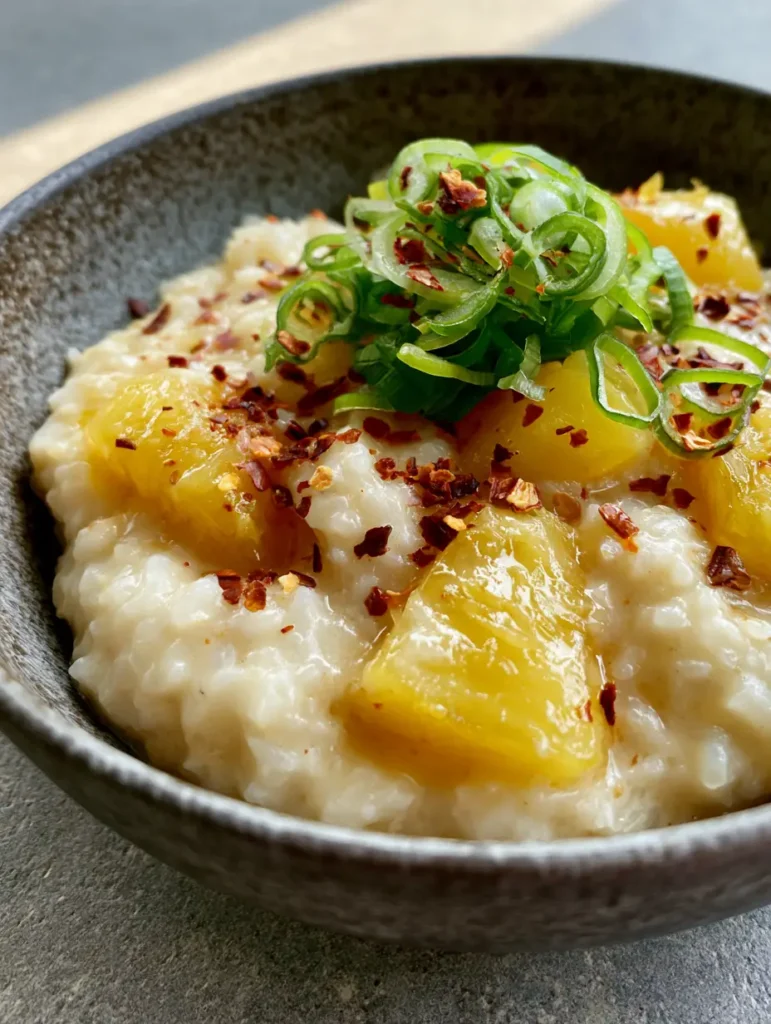
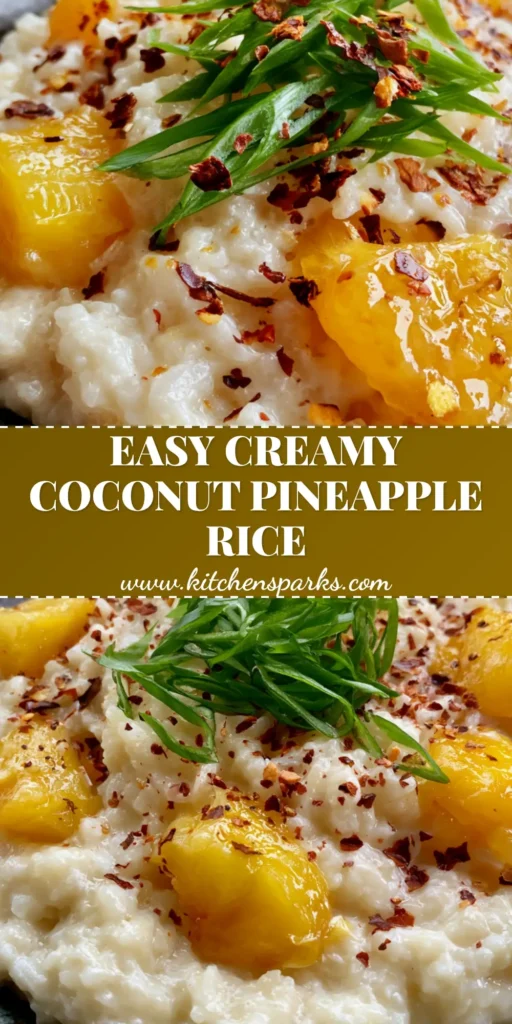
There is something undeniably magical about the combination of fragrant jasmine rice and rich coconut milk. This Coconut Pineapple Rice recipe isn’t just a side dish; it’s a sensory experience that brings a taste of the tropics directly to your dining table. Imagine thick, moist grains of rice perfectly coated in a velvet-like coconut reduction, punctuated by the bright, acidic burst of glistening golden-yellow pineapple chunks.
Every spoonful offers a complex balance of creamy sweetness, subtle heat from dried red chili flakes, and the fresh, crisp bite of thinly sliced scallions. Whether you are hosting a summer barbecue or simply looking to elevate a weeknight meal, this recipe delivers a restaurant-quality aesthetic that looks like it was plucked straight from a professional food photographer’s portfolio. The visual contrast of the bright green greens and vibrant red flakes against the snowy white rice is simply stunning.
Designed to be both approachable for the home cook and sophisticated enough for a dinner party, this Coconut Pineapple Rice relies on simple, high-quality ingredients. By following our professional culinary techniques, you will achieve that coveted “handheld smartphone photo” look—a dish so beautiful and rustic in its dark ceramic bowl that you won’t be able to resist taking a photo before the first bite.
Why You’ll Crave This Creamy Coconut Grain
- Textural Perfection: The jasmine rice is cooked until tender yet distinct, avoiding the mushy pitfalls of poorly executed coconut rice.
- Glistening Pineapple Chunks: We don’t just toss in raw fruit; the pineapple is lightly cooked to release its natural sugars, creating a beautiful golden sheen.
- Visual Contrast: The precise garnish of bright scallions and red chili flakes provides a professional finish that pops against a neutral grey stone background.
- Creamy Mouthfeel: By using full-fat coconut milk, we ensure every grain is luxuriously coated, providing a rich base for the tropical flavors.
Essential Components for the Perfect Tropical Grain
Long-Grain Jasmine Rice: 2 cups (370g) of jasmine rice provides the floral aroma and structural integrity needed to withstand the thick coconut milk without turning into porridge. It is essential to rinse the rice until the water runs clear to remove excess surface starch.
Full-Fat Coconut Milk: 1 can (13.5 oz / 400ml) of premium full-fat coconut milk is non-negotiable for achieving that moist, creamy texture seen in the visual blueprint. Lower-fat versions will result in a thin, watery consistency that lacks the signature richness of this dish.
Golden Pineapple Chunks: 1.5 cups (225g) of fresh or high-quality canned pineapple, cut into large, glistening chunks. Cooking the pineapple slightly before folding it into the rice ensures the fruit is warm and the exterior is beautifully caramelized.
Thinly Sliced Green Scallions: 3 medium scallions (approx. 30g), sliced precisely on a bias. These provide the “bright green” visual marker and a necessary pungent bite to cut through the heavy coconut cream.
Dried Red Chili Flakes: 1 tsp (2g) of red pepper flakes, scattered intentionally over the top. This adds a subtle warmth and a vibrant red visual element that balances the yellow and white tones of the bowl.
Fine Sea Salt: 1 tsp (6g) is the “invisible” hero that enhances the natural sweetness of the coconut and pineapple. Without proper seasoning, the rice will taste flat despite the aromatic ingredients.
Granulated Sugar: 1 tbsp (12g) helps to bridge the gap between the savory rice and the sweet fruit. It encourages the pineapple to glisten and helps the coconut milk develop a deeper flavor profile.
Filtered Water: 1.25 cups (300ml) is mixed with the coconut milk to provide the exact hydration ratio needed for the rice to absorb all the liquid while remaining moist.
Neutral Oil: 1 tbsp (15ml) of coconut oil or avocado oil is used to lightly sear the pineapple chunks, ensuring they have that “cooked” appearance before being mixed into the rice.
Kitchen Tools for Restaurant-Quality Results
To achieve the specific texture and presentation described, you will need a heavy-bottomed saucepan with a tight-fitting lid. This ensures even heat distribution and prevents the coconut milk from scorching at the bottom of the pot. A fine-mesh sieve is required for thoroughly washing the rice, which is the most important step for grain separation.
For the pineapple, a non-stick skillet will allow you to achieve a quick sear without the fruit sticking or tearing. Finally, to match the visual prompt, serve this dish in a dark, rustic matte ceramic bowl. The dark color of the vessel makes the white rice and yellow pineapple “pop” under soft, natural daylight.
Mastering the Perfect Simmer: Step-by-Step
Preparing the Aromatic Base
Begin by placing your jasmine rice in a fine-mesh strainer and rinsing it under cold running water for at least 2 minutes. You will see the water transition from cloudy to clear; this indicates the removal of surface starch which prevents the rice from becoming gummy. Once rinsed, drain the rice thoroughly to ensure you don’t accidentally add extra water to the recipe ratio.
The Infusion Process
In your heavy-bottomed saucepan, combine the full-fat coconut milk, filtered water, sea salt, and sugar. Whisk these together until the coconut cream is fully incorporated into the water. Bring the mixture to a gentle simmer over medium heat—look for small bubbles breaking the surface, but do not let it reach a rolling boil, as this can cause the coconut milk to separate.
Steaming the Rice to Perfection
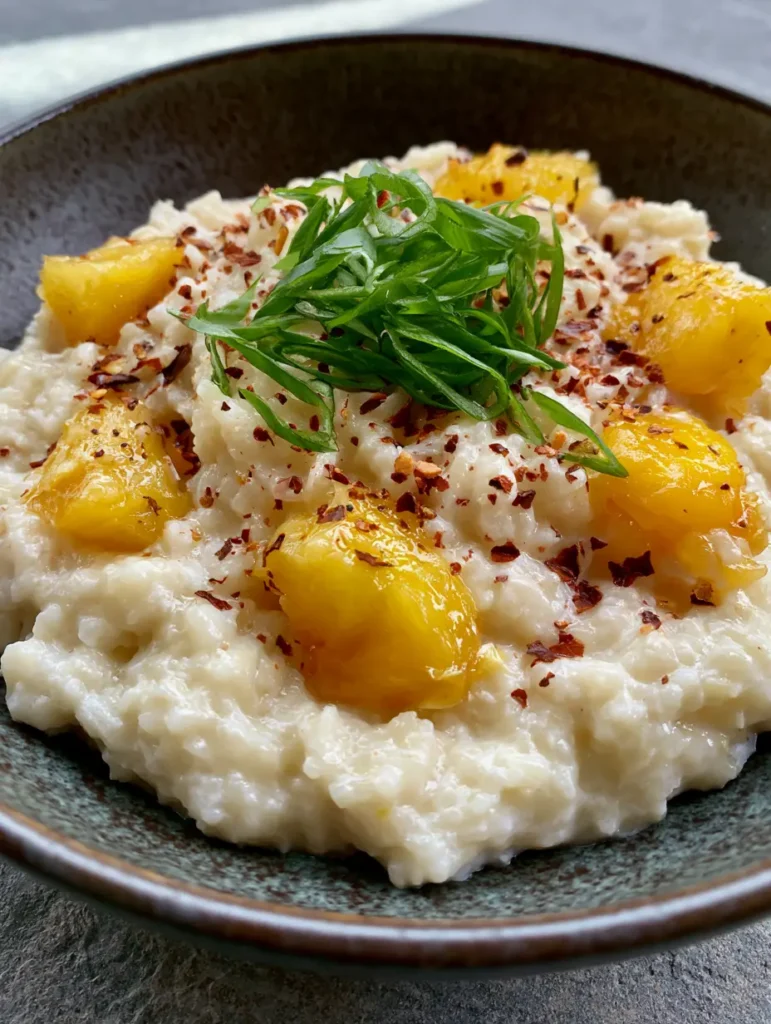
Add the rinsed rice to the simmering coconut liquid and stir once to ensure no grains are stuck to the bottom. Reduce the heat to the lowest possible setting and cover the pot with a tight-fitting lid. Let the rice steam undisturbed for 18–20 minutes. You will know it is done when all the liquid has been absorbed and the rice looks thick and moist.
Searing the Pineapple Chunks
While the rice is steaming, heat your neutral oil in a small skillet over medium-high heat. Add the pineapple chunks in a single layer. Sear them for 2-3 minutes, tossing occasionally, until they are glistening and just starting to develop golden edges. This step is crucial for the “cooked pineapple” look described in our visual blueprint.
The Final Garnish and Assembly
Once the rice is cooked, remove it from the heat and let it sit, covered, for another 5 minutes to allow the moisture to redistribute. Gently fold in the seared pineapple chunks using a silicone spatula to avoid breaking the rice grains. Transfer the mixture to a dark, rustic ceramic bowl. Top with a precise garnish of the thinly sliced green scallions and a scattered dusting of red chili flakes.
Pro-Level Tips for Flawless Jasmine Rice
- Don’t Peek: Resisting the urge to lift the lid during the steaming process is vital. Releasing the steam drops the internal temperature and will result in unevenly cooked rice.
- The “Fluff” Factor: Use a fork or a rice paddle to gently fluff the rice after the resting period. This introduces air and gives the rice that “thick yet light” appearance.
- Coconut Quality Matters: Always shake your can of coconut milk before opening, as the fat often separates into a solid plug at the top. You want the whole emulsified liquid for the best results.
- Heat Control: If your stove runs hot, use a heat diffuser. Coconut milk has a high sugar and fat content, making it prone to burning if the bottom of the pot gets too hot.
Preserving Freshness: Storage and Reheating
This Coconut Pineapple Rice is best enjoyed immediately while the rice is at its creamiest. However, leftovers can be stored in an airtight container in the refrigerator for up to 3 days. Because coconut milk contains high levels of saturated fat, the rice will firm up significantly when cold.
To reheat, add a splash of water or a tablespoon of coconut milk to the rice and microwave it covered, or warm it in a saucepan over low heat. This will loosen the fats and return the dish to its original moist, creamy state. We do not recommend freezing this dish, as the texture of the cooked pineapple can become grainy and the rice may lose its structural integrity upon thawing.
What to Pair with Your Tropical Rice
This creamy rice serves as a stunning foundation for a variety of bold, tropical proteins. For a complete island-inspired feast, serve this alongside a spicy Caribbean-inspired Pineapple Jerk Chicken (coming soon). The sweetness of the coconut rice perfectly offsets the fiery habanero heat of the chicken.
If you prefer a more cohesive, creamy flavor profile, try pairing it with Creamy Coconut Milk Chicken. The sauce from the chicken melds beautifully with the rice base. For a lighter, crunchier side, a Spicy Pineapple Cucumber Salad provides a refreshing contrast to the richness of the grains. If you have leftover rice, you can even experiment with sweet applications, similar to the flavors found in Mango Sticky Rice Rolls.
Frequently Asked Questions
You can, but the rice will be significantly less creamy and flavorful. Full-fat coconut milk provides the thick, moist texture that defines this recipe.
Canned pineapple chunks work perfectly fine! Just ensure you drain them well and sear them as directed to get that glistening, cooked appearance.
Use a heavy-bottomed saucepan and keep the heat on the lowest possible setting once the lid is on. If your stove is very hot, a heat diffuser can help.
The red chili flakes add a very mild warmth. If you prefer no heat at all, you can omit the flakes, or add more if you like a spicy kick.
Mushy rice usually comes from not rinsing the grains enough or using too much liquid. Make sure to rinse until the water is clear and measure your liquid precisely.
The Ultimate Coconut Pineapple Rice Recipe
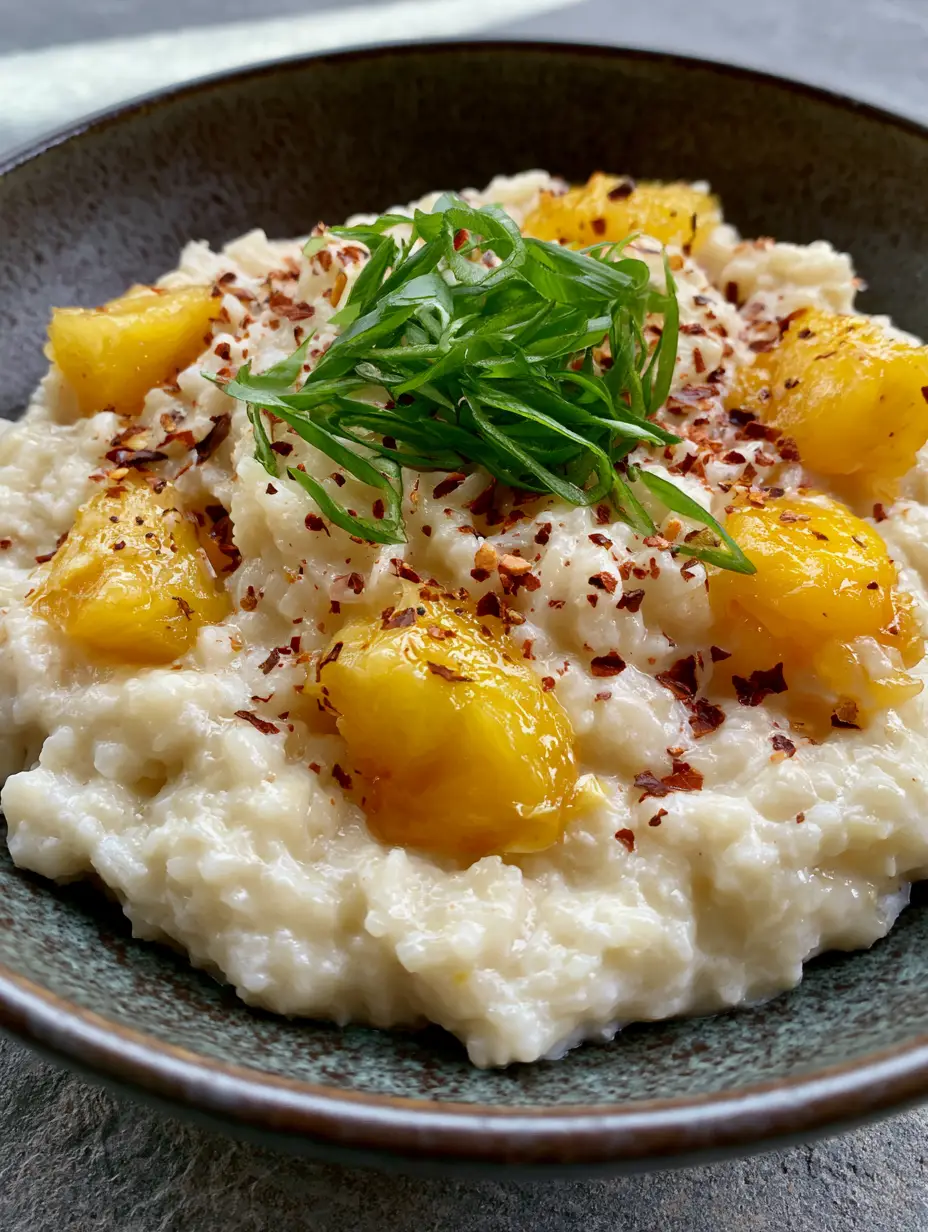
Coconut Pineapple Rice: The Ultimate Creamy Tropical Side Dish
Ingredients
Equipment
Method
- Place the jasmine rice in a fine-mesh sieve and rinse under cold water until the water runs clear. Drain well.
- Heat oil in a skillet over medium-high heat. Sear pineapple chunks for 2-3 minutes until glistening and golden. Set aside.
- In a saucepan, whisk together coconut milk, water, salt, and sugar. Bring to a light simmer.
- Add rice, cover tightly, and reduce heat to low. Cook for 18-20 minutes until liquid is absorbed.
- Remove from heat and let rest for 5 minutes. Gently fold in the seared pineapple.
- Transfer to a bowl and top with sliced scallions and dried red chili flakes.
Notes
Use full-fat coconut milk for the creamiest results.
Closing & Call to Action
Mastering the art of Coconut Pineapple Rice is a guaranteed way to bring a bit of sunshine into your kitchen. The combination of creamy textures, golden fruit, and fresh garnishes creates a dish that is as visually stunning as it is delicious. We hope you enjoy the tropical aromatics and the perfect balance of flavors in this recipe.
If you made this dish, we would love to hear how it turned out! Please leave a comment below and let us know your favorite protein to pair it with. Don’t forget to save this recipe to your favorite boards on Pinterest so you can find it whenever the tropical cravings hit! For more kitchen inspiration, sign up for our newsletter to get the latest recipes delivered straight to your inbox.