Welcome to the ultimate guide to making Persian Jeweled Rice, a dish as dazzling to the eye as it is to the palate. Known as Javaher Polow in Farsi, this recipe is a cornerstone of Persian cuisine, celebrated for its vibrant colors, rich flavors, and symbolic significance. If you’ve ever wanted to create a show-stopping centerpiece for a special meal, you’ve found it. This guide will walk you through every step, ensuring you achieve fluffy, fragrant rice, a perfect crispy bottom (tahdig), and beautifully prepared “jewels.”
This dish is more than just food; it’s a celebration on a plate. It’s traditionally served at weddings and special occasions like Nowruz (Persian New Year), with each ingredient symbolizing a wish for the future. Don’t be intimidated by its beauty; this recipe breaks down the process into simple, manageable steps for the enthusiastic home cook.
What is Persian Jeweled Rice?
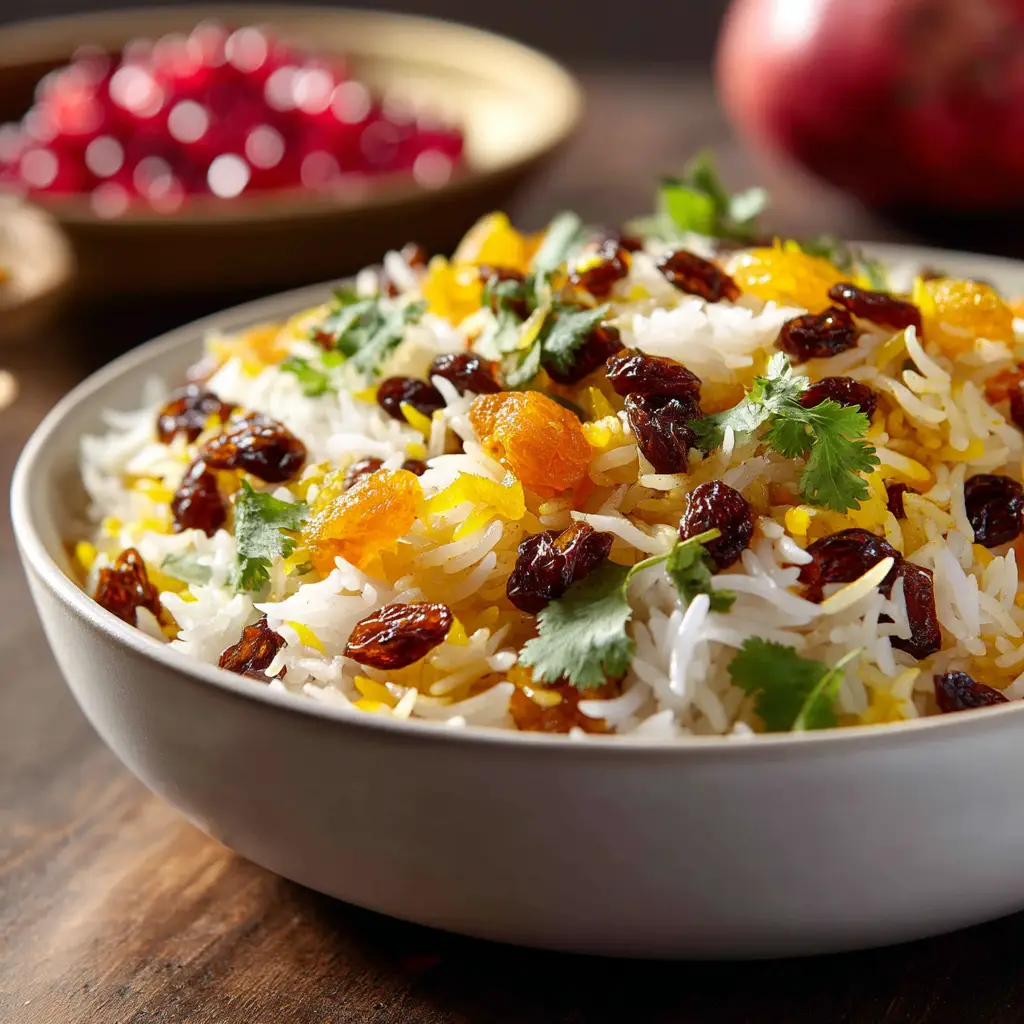
Persian Jeweled Rice is a traditional Iranian rice dish made with basmati rice, which is first parboiled and then steamed. Its name comes from the colorful toppings—the “jewels”—that adorn it. These typically include candied orange peel, vibrant barberries, carrots, and nuts like pistachios and almonds. The entire dish is perfumed with the heavenly aroma of saffron, creating a delicate balance of sweet, savory, and tangy flavors.
The final flourish is the tahdig, a coveted layer of crispy, golden rice from the bottom of the pot. It adds a delightful textural contrast to the soft, fluffy grains and is often the most fought-over part of the meal!
Why You’ll Love This Recipe
- Visually Stunning: It’s a work of art that will impress any guest before they even take a bite.
- Incredibly Flavorful: The combination of sweet fruits, savory rice, and aromatic saffron is truly unforgettable.
- Authentic Technique, Simplified: Get an authentic taste and that perfect crispy tahdig with clear, step-by-step instructions.
- Perfect for Celebrations: Elevate any dinner party, holiday, or special occasion with this spectacular dish.
The “Jewels”: Ingredients for This Exquisite Dish
The magic of this dish lies in its high-quality ingredients. Here’s what you’ll need to assemble your own Persian Jeweled Rice.
For the Rice
- Basmati Rice: The foundation of our dish. Use a high-quality, long-grain basmati for the best results.
- Saffron Threads: The soul of Persian cooking. A small amount provides incredible color and aroma.
- Salt: Essential for seasoning the rice as it cooks.
* Neutral Oil & Butter: Used to create the all-important tahdig and add richness.
For the Jeweled Toppings
- Carrots: Julienned and lightly candied to add a sweet, earthy note and vibrant orange color.
- Dried Barberries (Zereshk): These tiny red jewels provide a sharp, tangy contrast to the sweetness.
- Candied Orange Peel: Adds a beautiful citrus aroma and slightly bitter complexity.
- Pistachios & Slivered Almonds: For a nutty crunch and a splash of green and white.
- Sugar & Spices: A little sugar is used to candy the carrots and balance the barberries, while spices like cinnamon or cardamom can add warmth.
How to Make Persian Jeweled Rice: A Step-by-Step Guide
Follow these steps carefully to create a masterpiece. The process involves preparing each component separately before bringing them all together for the final steam.
Step 1: Prepare the Rice
Start by thoroughly rinsing your basmati rice in cold water until the water runs clear. This removes excess starch and prevents the rice from becoming sticky. Soak the rice in salted cold water for at least 30 minutes to an hour. This step is crucial for achieving long, fluffy grains.
Step 2: Bloom the Saffron
While the rice soaks, prepare your saffron. Grind the saffron threads into a fine powder using a mortar and pestle. Place the powder in a small bowl and add 2-3 tablespoons of hot (not boiling) water. Set it aside to “bloom” and release its potent color and aroma.
Step 3: Prepare the “Jewels” (Toppings)
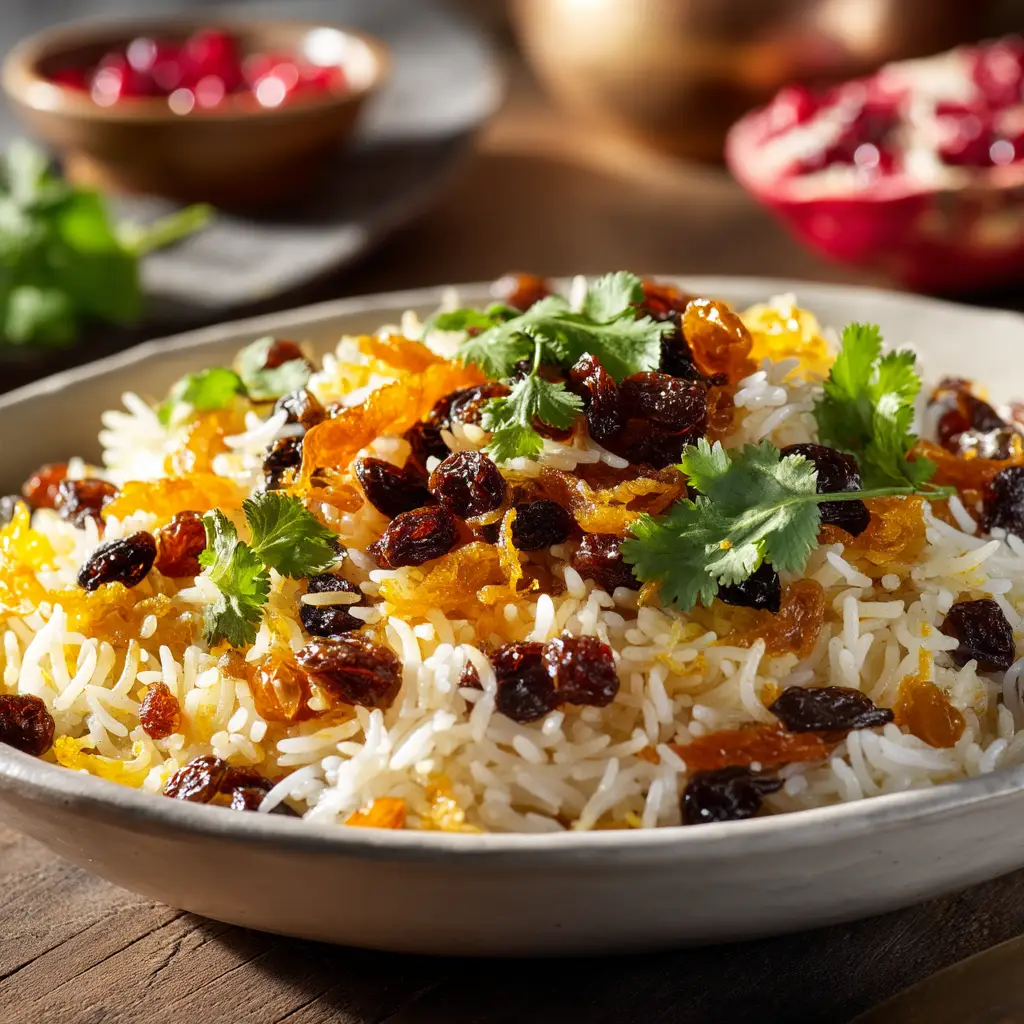
In separate pans, prepare your toppings. Sauté the julienned carrots with a bit of sugar and water until tender. In another pan, quickly sauté the barberries with a little butter and sugar for just a minute to plump them up—be careful not to burn them. Toast your nuts lightly to enhance their flavor. Mix the prepared carrots, barberries, nuts, and candied orange peel in a bowl and set aside.
Step 4: Cook the Rice and Create the Tahdig
Bring a large pot of salted water to a rolling boil. Drain the soaked rice and add it to the boiling water. Parboil for 5-7 minutes, until the grains are soft on the outside but still have a firm bite inside (al dente). Drain the rice in a colander and rinse with cool water.
To create the tahdig, heat a generous amount of oil and butter in the bottom of your non-stick pot. You can add a layer of potato slices or flatbread for an extra crispy base, or just use the rice itself. Add a few scoops of the parboiled rice to the bottom of the pot, mixing it with a tablespoon of your bloomed saffron liquid. Gently press it down to form a solid layer.
Step 5: Assemble and Serve
Carefully spoon the remaining rice on top of the tahdig layer, forming a pyramid shape. This allows steam to circulate. Use the handle of a wooden spoon to poke a few holes in the rice down to the bottom, which helps release steam. Drizzle the remaining bloomed saffron over parts of the rice to create beautiful golden streaks. Cover the pot with a lid wrapped in a clean kitchen towel to absorb condensation. Steam on low heat for 45-50 minutes.
To serve, gently fluff the white and saffron rice and place it on a large platter. Carefully remove the tahdig from the bottom of the pot (it may come out in one beautiful piece!) and break it into shards. Sprinkle the jeweled topping mixture over the rice and arrange the tahdig pieces around the platter. Your stunning Persian Jeweled Rice is ready to be admired and devoured.
What to Serve with Persian Jeweled Rice
This spectacular rice is a meal in itself but is often served alongside savory dishes to balance its sweetness. It pairs wonderfully with saffron chicken (Zereshk Polo ba Morgh) or rich stews. For a lighter meal, a simple green salad or a side of yogurt is perfect. If you’re looking for another amazing rice dish, try our Bang Bang Ground Turkey Rice Bowls. For a different cuisine, this Korean Spinach Side Dish is a fantastic and healthy option.
Storing and Reheating Instructions
Store leftover jeweled rice in an airtight container in the refrigerator for up to 3 days. It’s best to store the toppings separately to maintain their texture. To reheat, gently warm the rice in a microwave or on the stovetop with a splash of water to restore its moisture.
Frequently Asked Questions about Persian Jeweled Rice
It’s often served at celebrations alongside roasted chicken (like Zereshk Polo ba Morgh), savory stews, or grilled meats. The savory main dishes provide a delicious contrast to the slightly sweet and tangy flavors of the rice.
Jeweled Rice has a complex and delightful flavor profile. The saffron rice is fragrant and savory, while the toppings provide a mix of sweetness from the carrots, tartness from the barberries, a citrus note from the orange peel, and a nutty crunch from the pistachios and almonds.
Persian Jeweled Rice is made from long-grain basmati rice, saffron, and a variety of toppings called ‘jewels.’ These typically include dried barberries, candied orange peel, carrots, pistachios, and almonds, creating a beautiful mix of colors, textures, and flavors.
The crispy, golden layer of rice at the bottom of the pot is called ‘tahdig’ in Persian. It is considered a delicacy and is prized for its crunchy texture.
It is called ‘Jeweled Rice’ because the colorful toppings of fruits and nuts scattered over the white and golden rice resemble precious gems like rubies, emeralds, and amber.
More Delicious Recipes to Try
If you enjoyed this recipe, you might also love our Mediterranean Rice and Beans or our comforting Cajun Potato Soup.
Share Your Creation!
We love seeing your culinary creations! If you make this Persian Jeweled Rice recipe, please leave a comment below and share a photo of your masterpiece on Pinterest. Your feedback and shares help our community grow!
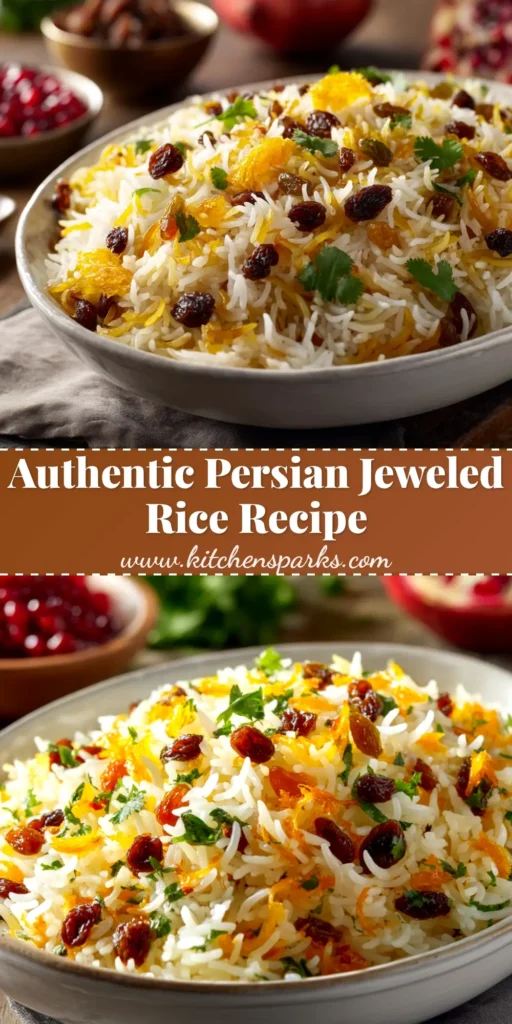
Persian Jeweled Rice Recipe
Persian Jeweled Rice (Javaher Polow)
Ingredients
Equipment
Method
- Rinse the basmati rice under cold water until it runs clear. Soak the rice in a large bowl of cold, salted water for at least 30 minutes. Meanwhile, grind the saffron threads with a mortar and pestle, then dissolve in 3 tablespoons of hot water and set aside to bloom.
- In a small pan over medium heat, add the julienned carrots, 2 tablespoons of sugar, and 2 tablespoons of water. Cook until the carrots are tender and glazed. In a separate pan, melt 1 tablespoon of butter, add the rinsed barberries and 1 tablespoon of sugar. Sauté for 1-2 minutes until plump. Combine the glazed carrots, barberries, toasted almonds, pistachios, and candied orange peel in a bowl.
- Bring a large pot of salted water to a rolling boil. Drain the soaked rice and add it to the pot. Boil for 5-7 minutes until al dente (soft on the outside, firm inside). Drain immediately in a colander and rinse with lukewarm water.
- In a large non-stick pot, heat the oil and remaining 3 tablespoons of butter over medium heat. Add two large scoops of the parboiled rice and mix with 1 tablespoon of the bloomed saffron water. Press this mixture firmly into the bottom of the pot to create the tahdig layer.
- Gently pile the rest of the rice on top of the tahdig layer in a pyramid shape. Drizzle the remaining saffron liquid over the top of the rice mound in streaks. Poke 4-5 holes through the rice with the handle of a wooden spoon. Cover the pot with a lid wrapped in a clean kitchen towel and cook on low heat for 45-50 minutes, until the rice is fluffy and the tahdig is golden and crisp.
- To serve, gently fluff the white and saffron rice and arrange it on a large serving platter. Sprinkle the jeweled topping mixture generously over the rice. Carefully remove the tahdig, break it into pieces, and arrange them around the rice. Serve immediately.
Notes
Soaking the rice is a non-negotiable step for achieving the perfect fluffy texture.
Watch the barberries carefully as they can burn very quickly due to their sugar content.