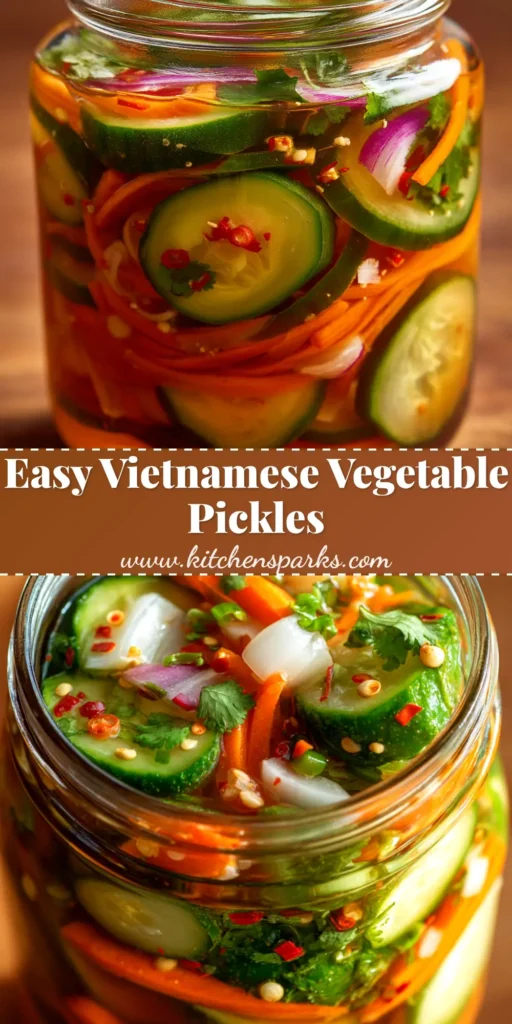
Unlock the secret to vibrant, crunchy, and irresistibly tangy toppings with this simple recipe for Vietnamese Pickled Vegetables. Known as Đồ Chua, this classic condiment, made from daikon and carrots, is the perfect way to add a pop of flavor and texture to countless dishes. You’ll be amazed at how quickly this comes together!
If you’re looking to elevate your home cooking, these Vietnamese pickles are a game-changer. They provide the perfect acidic balance to rich meats and savory sauces. Forget store-bought versions; our recipe is incredibly easy, fresh, and delivers that perfect crunch every single time.
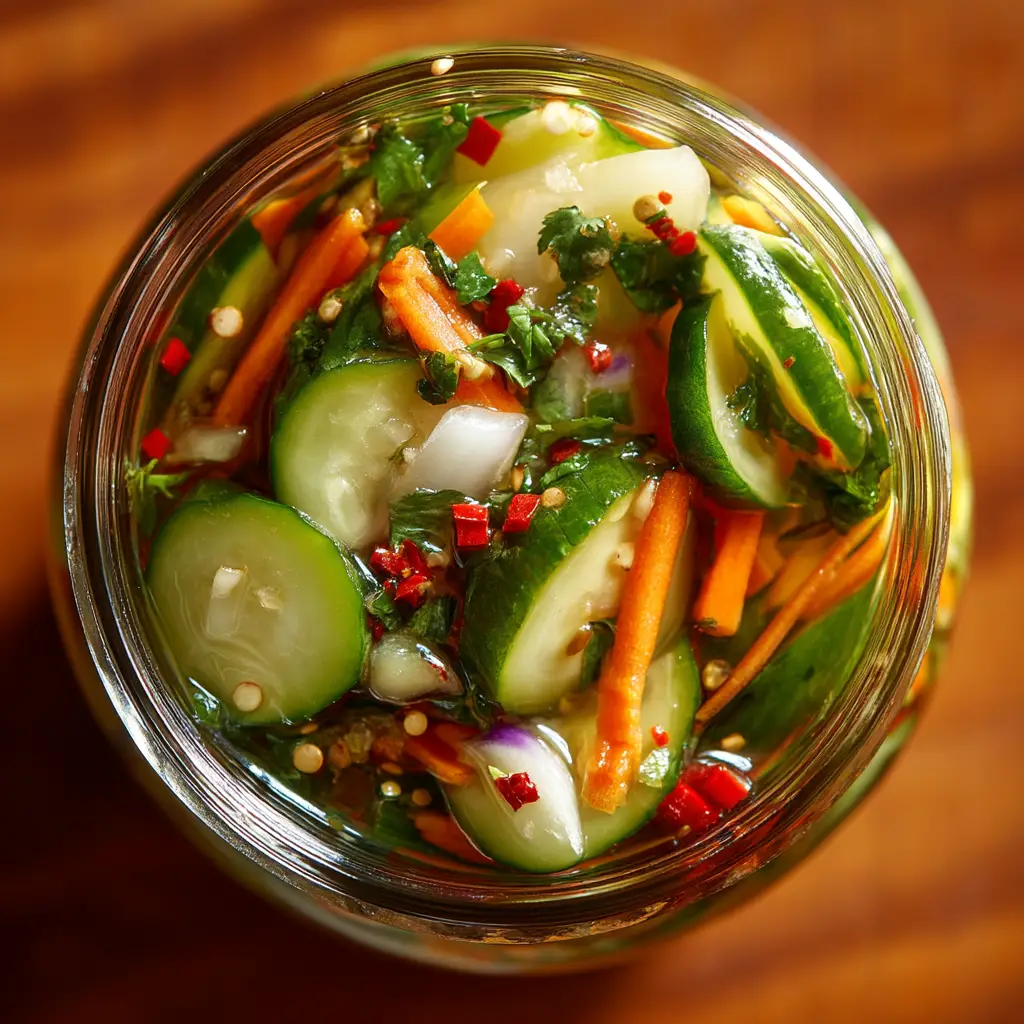
What Are Vietnamese Pickled Vegetables (Đồ Chua)?
Đồ Chua, which translates to “sour things,” is a staple in Vietnamese cuisine. It’s a quick pickle made primarily from julienned daikon radish and carrots. The vegetables are submerged in a simple brine of vinegar, sugar, and water, which preserves their crunch while infusing them with a signature sweet and sour flavor.
Unlike fermented pickles, this is a quick pickling recipe. This means it’s ready to enjoy in as little as an hour, making it an incredibly versatile and convenient addition to your weekly meal prep.
Why You’ll Love This Recipe
- Incredibly Quick: From start to finish, you can have these pickles ready in under an hour. It’s the perfect last-minute addition to any meal.
- Perfectly Balanced: The flavor is a masterful blend of sweet, sour, and tangy, designed to complement a wide array of dishes without overpowering them.
- Unbeatably Crunchy: We share the essential tips to ensure your vegetables stay crisp and satisfyingly crunchy for weeks.
- Extremely Versatile: This isn’t just for Banh Mi! Use it on tacos, in salads, with grilled meats, or even as a simple side dish. It’s as versatile as our Korean Spinach Side Dish.
The 5 Simple Ingredients You’ll Need
The beauty of this Vietnamese Pickled Vegetables recipe lies in its simplicity. You only need a handful of basic pantry staples to create this vibrant condiment.
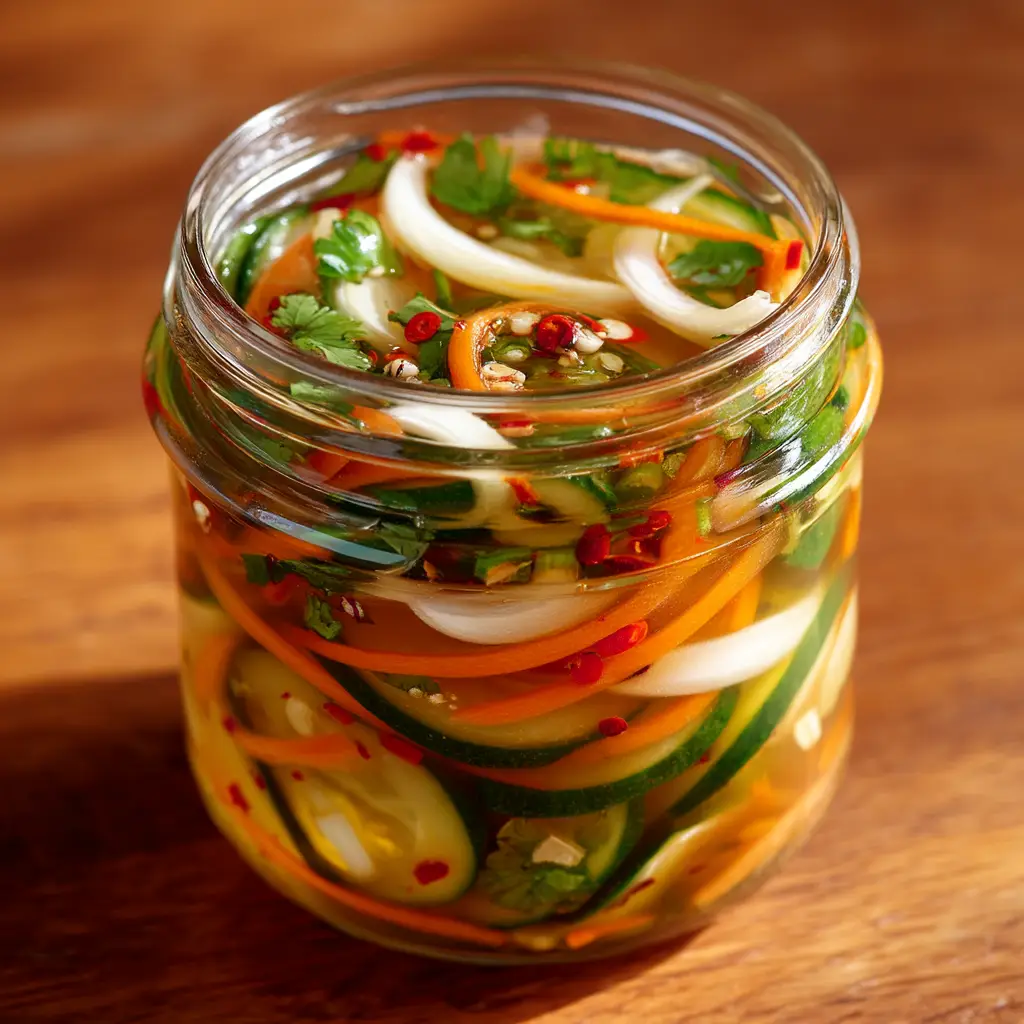
- Daikon Radish: This large, mild white radish provides the signature crunch and volume. Look for a firm, smooth daikon at your local grocery store or Asian market.
- Carrots: Carrots add a touch of sweetness, a vibrant orange color, and a slightly softer crunch that perfectly complements the daikon.
- Distilled White Vinegar: The primary pickling agent. Its clean, sharp flavor creates the perfect tangy base for the brine.
- Granulated Sugar: Balances the tartness of the vinegar, creating that addictive sweet and sour taste.
- Salt: We use salt to draw out excess water from the vegetables, which is the key to ensuring they stay super crunchy.
How to Make Vietnamese Pickled Vegetables: A Step-by-Step Guide
Making Đồ Chua is a simple three-step process: prep the vegetables, make the brine, and combine. Follow these instructions for perfect results every time.
1. Prep the Vegetables
First, wash and peel your daikon and carrots. Julienne them into matchsticks that are about 2-3 inches long and 1/4-inch thick. Uniformity is key for even pickling. Place the cut vegetables into a large bowl, sprinkle with 1 tablespoon of sugar and 1 tablespoon of salt. Gently toss to combine and let them sit for about 20-30 minutes. You will notice water pooling at the bottom of the bowl. This step is crucial for drawing out moisture and ensuring maximum crunch.
2. Make the Brine
While the vegetables are resting, prepare the pickling liquid. In a medium bowl or large measuring cup, combine the warm water, remaining sugar, and vinegar. Stir vigorously until the sugar is completely dissolved. The warmth of the water helps the sugar dissolve faster, but ensure it’s not too hot.
3. Combine and Pickle
After 20-30 minutes, rinse the daikon and carrots thoroughly under cold water to remove the salt and sugar. Squeeze them gently to remove any excess water and pat them dry. Place the vegetables into a clean glass jar (or multiple jars). Pour the prepared brine over the vegetables until they are fully submerged. Seal the jar and let it sit at room temperature for at least one hour before serving.
Tips for Perfectly Crisp and Crunchy Pickles
There’s nothing more disappointing than a limp pickle. Here’s how to guarantee a satisfying crunch with your Vietnamese Pickled Vegetables.
- Don’t Skip the Salting Step: Salting the daikon and carrots before pickling is the most important step for crunchiness. It draws out excess water, which prevents the vegetables from becoming soggy in the brine.
- Use Cold, Clean Water for Rinsing: Rinsing the vegetables after salting is essential to remove the excess salt. Using cold water helps them stay firm.
- Pack Jars Tightly: Pack the julienned vegetables into your jar snugly, but not so tight that you crush them. This ensures every piece is submerged in the brine.
How to Store Your Pickled Vegetables
Proper storage is key to enjoying your Đồ Chua for as long as possible. Once they have pickled at room temperature for an hour, store them in an airtight container in the refrigerator. They will stay fresh and crunchy for up to 4 weeks. The flavor will continue to develop and become even more delicious over time.
Delicious Ways to Use Your Đồ Chua
While a classic topping for Banh Mi sandwiches, the uses for these pickles are nearly endless. They add a bright, acidic crunch that cuts through rich and savory flavors beautifully.
- Noodle Bowls: A generous topping on a Vietnamese Noodle Salad is a must.
- Tacos and Wraps: Swap out traditional salsa for these pickles on Chicken Street Tacos or Big Mac Wraps.
- Rice Bowls: Brighten up any rice bowl, especially those with grilled pork, chicken, or beef.
- Grilled Meats: Serve alongside savory grilled meats and fish to balance the richness.
- Salads: Toss them into green salads for a surprising burst of flavor and texture.
Frequently Asked Questions
Absolutely! While daikon and carrot are the classic combination, you can use this same brine to pickle other firm vegetables like cucumbers, red onion, or bell peppers. Adjust resting times as needed based on the vegetable’s water content.
No, this is a quick pickle recipe that does not require cooking the brine. Simply using warm water is enough to help the sugar dissolve completely, which saves time and keeps the process simple.
When stored in a sealed, airtight container in the refrigerator, your Vietnamese pickled vegetables will stay fresh and crunchy for up to 4 weeks. Their flavor will continue to develop over time.
Distilled white vinegar is the traditional and best choice for Đồ Chua. It has a neutral, sharp flavor that allows the taste of the vegetables to shine through. You can use rice vinegar, but it will result in a slightly milder, less tangy pickle.
The most common reason for soggy pickles is skipping the initial salting step. Sprinkling the daikon and carrots with salt and sugar and letting them rest for 20-30 minutes is crucial for drawing out excess water, which ensures a lasting crunch.
Vietnamese Pickled Vegetables Recipe
Vietnamese Pickled Vegetables (Easy Đồ Chua Recipe)
Ingredients
Equipment
Method
- Place the julienned daikon and carrots in a large bowl. Sprinkle with 2 tbsp of sugar and 1 tbsp of salt, toss to combine, and let sit for 20-30 minutes to draw out excess water.
- In a separate bowl, combine the warm water, 1 cup of sugar, and vinegar. Stir until the sugar is completely dissolved.
- Thoroughly rinse the salted vegetables under cold running water. Gently squeeze handfuls to remove as much water as possible and pat dry.
- Pack the dried vegetables into a clean glass jar. Pour the brine over the vegetables, ensuring they are fully submerged. Seal the jar.
- Let the jar sit at room temperature for at least 1 hour before serving. For best results, chill in the refrigerator. Store in the refrigerator for up to 4 weeks.
Notes
Tip 2: Ensure the jar is clean and sterilized to prolong the shelf life of your pickles.
Tip 3: The flavor gets better with time! They are even more delicious after a day or two in the fridge.
Pin This Recipe!
If you loved this recipe, please share it! Pinning this recipe to your Pinterest boards is a great way to save it for later and helps others discover it too. We appreciate your support!