Butter Swim Biscuits are the viral baking sensation that has redefined the way we think about homemade bread. Unlike traditional biscuits that require tedious cold-butter cutting and messy flour-dusted counters, these biscuits literally “swim” in a pool of melted butter before hitting the oven.
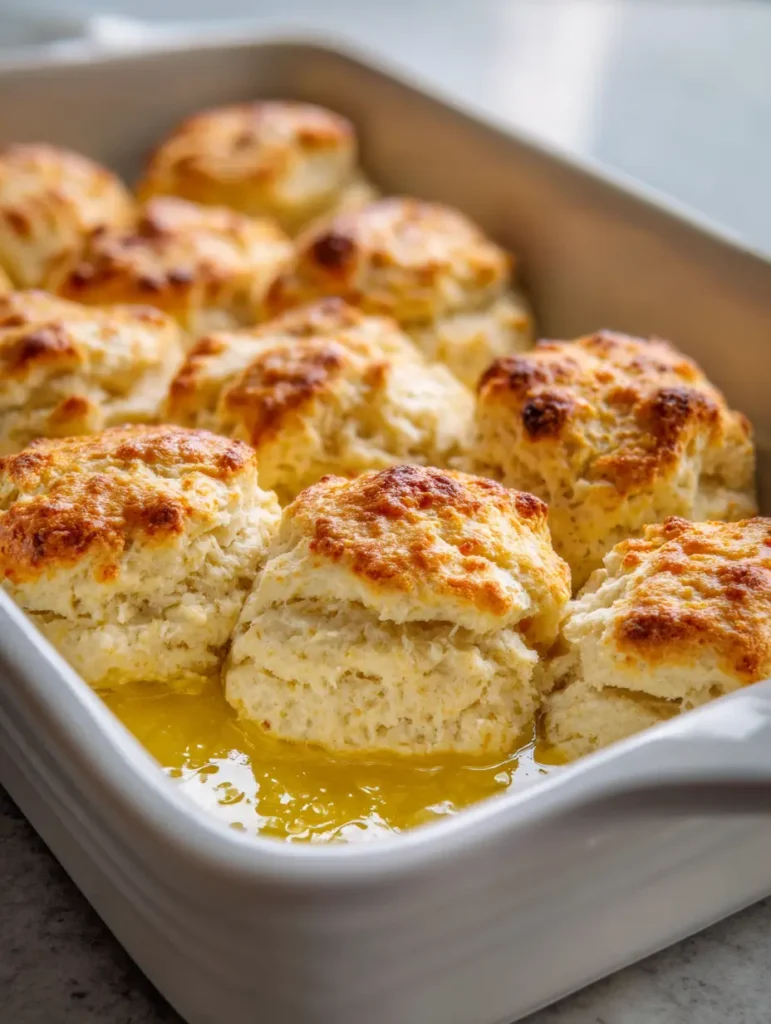
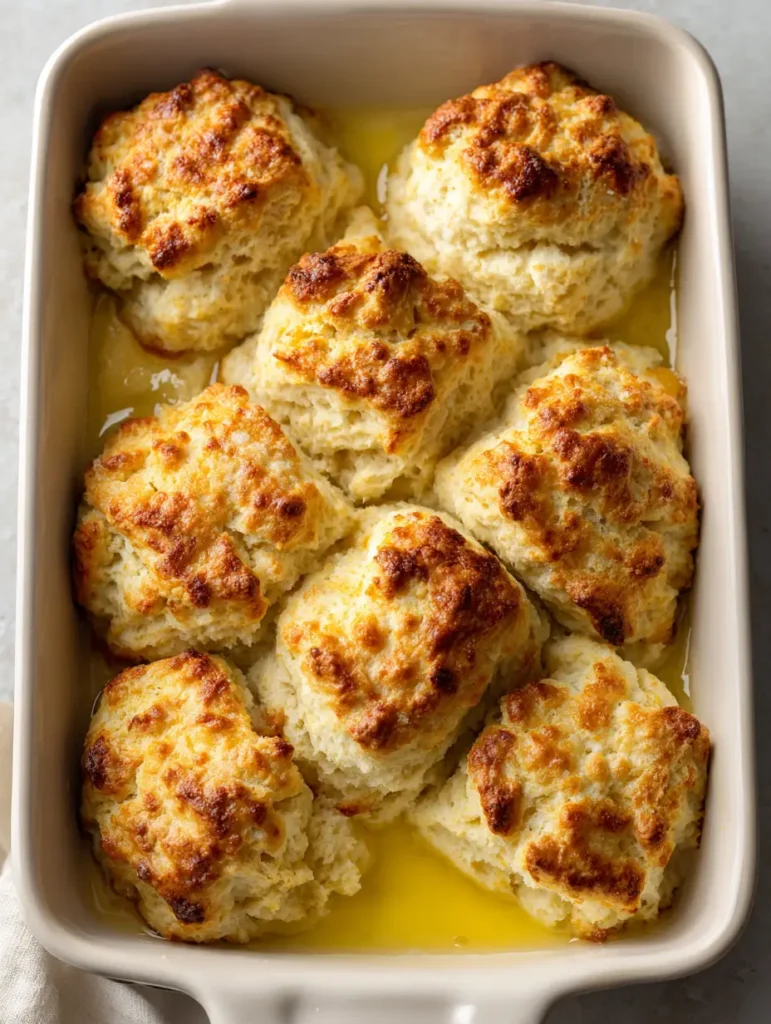
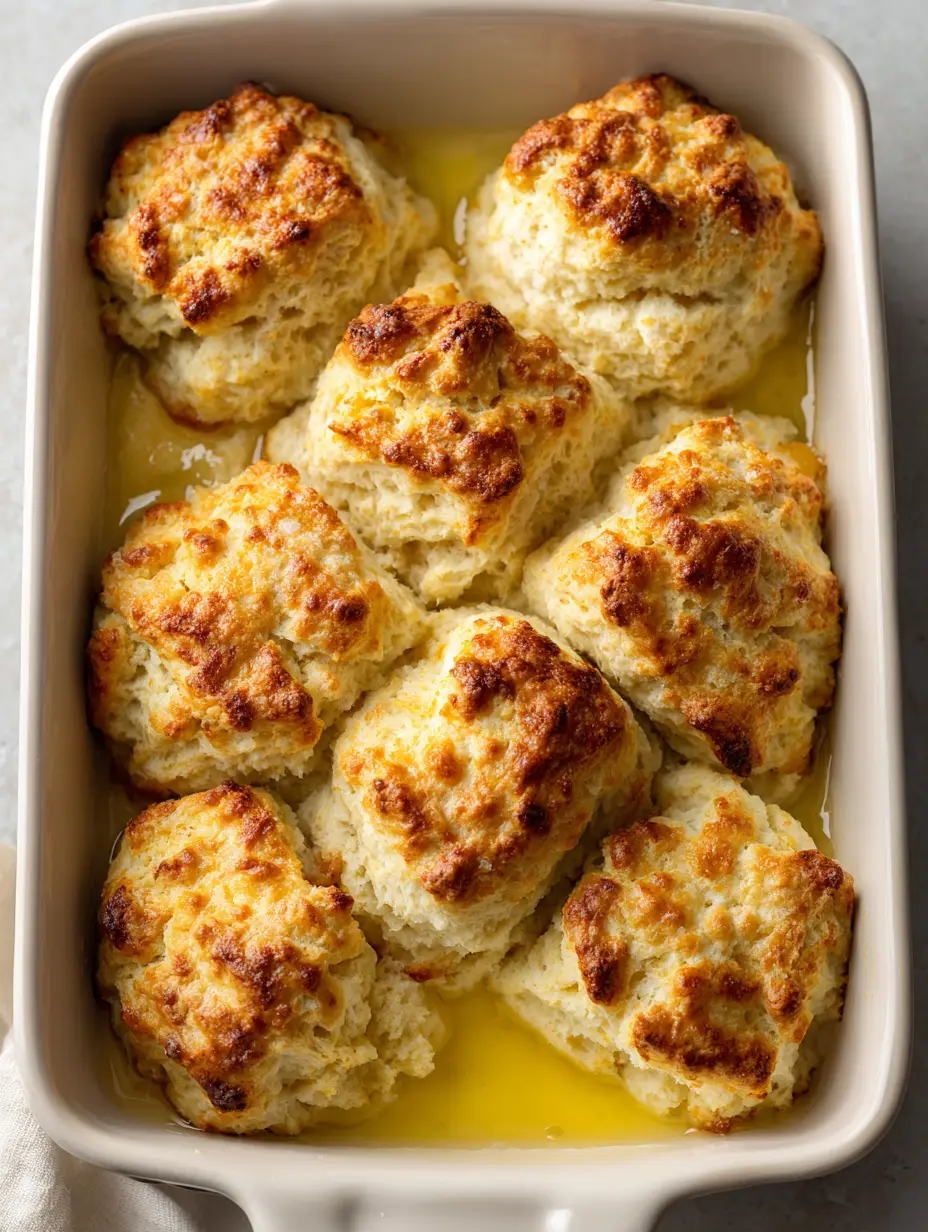
The result is a culinary masterpiece featuring a deep golden-brown, craggy top with a matte finish and a soft, porous, pale cream-colored interior. Every bite is an explosion of savory, buttery flavor that makes these the perfect companion for almost any meal.
In this guide, we are going to dive deep into the science of the “butter swim” and show you how to achieve that specific shimmering, translucent pool of yellow butter that characterizes the perfect bake. Get ready to elevate your breakfast game to professional heights.
Why This Butter Swim Biscuits Recipe Works Every Single Time
- Unmatched Texture: The high moisture content from the buttermilk creates a fluffy, airy interior that provides a stark contrast to the crisp, craggy crust.
- Zero Technique Barrier: There is no “cutting in” the fat; the melted butter does all the structural work, making this accessible for beginners.
- Maillard Perfection: The unique interaction between the buttermilk acids and the intense heat of the butter pool results in a superior golden-brown finish.
- Visual Appeal: Served in a white ceramic baking dish, the sight of square-cut biscuits tightly packed and submerged in shimmering butter is a sensory delight.
The Essential Pantry Staples for Fluffy Buttermilk Biscuits
All-Purpose Flour: 2.5 cups (312g). This provides the necessary protein structure to hold the rise without becoming as dense as bread flour. Ensure you spoon and level your flour for accuracy.
Granulated Sugar: 1 tbsp (12g). While these are savory, the sugar is vital for the Maillard reaction, helping achieve that deep golden-brown matte finish on the craggy tops.
Baking Powder: 1 tbsp (14g). This is our primary leavening agent; it reacts with the heat to create the bubbles that result in a soft, porous interior texture.
Salt: 1 tsp (6g). Even with salted butter, a fine sea salt is necessary to sharpen the flavors of the flour and buttermilk.
Buttermilk: 2 cups (480ml). The acidity in the buttermilk is the “invisible” engine of this recipe, reacting with the baking powder for a massive vertical lift.
Salted Butter: 1/2 cup (113g). This is the star of the show; it will be melted into the base of the dish to create the signature shimmering pool that the dough swims in.
Must-Have Kitchen Tools for the Perfect Bake
To achieve the specific visual results of square-cut biscuits packed tightly together, you must use a rectangular white ceramic baking dish (approximately 9×13 or 8×11 inches). The ceramic material provides even heat distribution, ensuring the sides of the biscuits stay pale and soft while the tops reach a deep gold.
You will also need a large mixing bowl, a sturdy silicone spatula for folding the wet dough, and a bench scraper or sharp knife to score the dough into those signature square shapes before baking. A microwave-safe bowl for melting the butter is also essential.
Mastering the Butter Swim Technique Step-by-Step
Preparing the Golden Butter Pool
Start by preheating your oven to 450°F (232°C). While the oven heats, place your 1/2 cup (113g) of salted butter into your white ceramic baking dish. Place the dish in the oven for 3-5 minutes until the butter is completely melted and shimmering.
Watch closely; you want the butter to be bright yellow and translucent, not browned. Once melted, remove the dish and set it on a heat-safe surface like a grey stone countertop.
Mixing the Aerated Dough
In a large bowl, whisk together the flour, sugar, baking powder, and salt. Pour in the 2 cups (480ml) of buttermilk and stir gently with a spatula.
The dough will be very wet and shaggy—this is normal. Do not overmix, or you will lose the air bubbles needed for that fluffy white interior. Stir just until no large pockets of dry flour remain.
The “Swim” and Scoring Process
Carefully pour the wet dough directly into the center of the shimmering pool of melted butter. Use your spatula to gently spread the dough to the edges of the ceramic dish.
The butter will displace and rise up around the sides of the dough. Use a knife or bench scraper to cut the dough into a 3×3 grid, creating 9 square-cut biscuits. The butter will seep into these cracks, ensuring flavor in every bite.
Baking to Visual Perfection
Slide the dish into the oven and bake for 20-25 minutes. You are looking for specific sensory cues: the sound of the butter bubbling around the edges and the visual change of the tops turning a deep golden-brown.
The final biscuits should have uneven, craggy tops with a matte finish. When you pull them out, the base of the dish will still have a small amount of shimmering, translucent yellow butter that will be absorbed as they rest.
Secrets to Achieving that Iconic Deep Golden-Brown Crust
- High Heat is Key: Baking at 450°F (232°C) is non-negotiable; this high temp causes the butter to fry the bottom and edges while the top browns rapidly.
- Don’t Skimp on the Buttermilk: Real, full-fat buttermilk provides the best flavor and the most dramatic rise.
- The Resting Period: Let the biscuits sit in the dish for 5 minutes after baking. This allows the crumb to set and the remaining butter to soak into the crust.
- Scoring Depth: When you cut the squares, make sure your knife touches the bottom of the dish so the butter can fully penetrate the sides.
Shelf Life, Reheating, and Freshness Tips
Butter Swim Biscuits are best served warm, immediately after the resting period. However, you can store leftovers in an airtight container at room temperature for up to 2 days.
To reheat, avoid the microwave as it can make the crust rubbery. Instead, place them back in a 350°F (175°C) oven for 5-7 minutes until the butter sizzles again. You can also freeze these for up to 3 months—just wrap them tightly in foil and thaw before reheating.
What to Serve With These Buttery Square Biscuits
These biscuits are incredibly versatile and pair perfectly with both savory and sweet dishes. For a classic Southern breakfast, serve them alongside a bowl of creamy gravy or use them as a base for savory breakfast sandwiches.
If you want to lean into the richness, serve them with a side of garlic-herb cowboy butter for dipping. They also make a fantastic side for dinner, especially when paired with rich pasta dishes or a hearty portion of black beans and rice.
For those who love a sweet and salty combo, try splitting a warm biscuit and drizzling it with honey, or serve it alongside a sweet fruit pastry for a decadent brunch spread.
Frequently Asked Questions
Yes, but ceramic is preferred for its heat retention. If using a dark metal pan, reduce the oven temperature by 25 degrees to prevent the bottom of the biscuits from burning in the butter.
A small amount of liquid butter is normal immediately after baking. Ensure you let the biscuits rest for at least 5-10 minutes in the dish to allow the crumb to soak up that shimmering yellow pool.
Salted butter is traditional for Butter Swim Biscuits as it provides that classic savory flavor profile, but unsalted works fine if you increase the salt in the dry mix by a 1/4 teaspoon.
While real buttermilk is best for the rise, you can use a DIY version by adding 1 tablespoon of lemon juice or white vinegar to 2 cups of whole milk and letting it sit for 5 minutes.
This usually happens from overmixing the dough. The dough should be shaggy and wet; stir only until the dry flour disappears to keep those air pockets intact.
The Official Butter Swim Biscuits Recipe Card
Butter Swim Biscuits: The Ultimate Guide to Fluffy, Golden Buttermilk Bliss
Ingredients
Equipment
Method
- Preheat oven to 450°F (232°C). Place 1/2 cup (113g) salted butter in a white ceramic dish and melt in the oven for 3-5 minutes.
- In a large bowl, whisk together 2.5 cups (312g) flour, 1 tbsp (12g) sugar, 1 tbsp (14g) baking powder, and 1 tsp (6g) salt.
- Add 2 cups (480ml) buttermilk to dry ingredients. Stir gently with a spatula until a shaggy, wet dough forms. Do not overmix.
- Pour dough into the melted butter pool. Spread to edges and score into 9 squares using a knife or bench scraper.
- Bake for 20-25 minutes until the tops are craggy, matte, and deep golden-brown. Let rest for 5 minutes before serving.
Notes
Don't worry if the butter looks like too much; the biscuits will absorb most of it during resting.

Join the Kitchen Spark Community!
Butter Swim Biscuits are more than just a recipe; they are a foolproof way to bring comfort to your kitchen. If you enjoyed the sight of those golden-brown craggy tops and that shimmering butter pool, please let us know in the comments!
Don’t forget to sign up for our newsletter for more elite baking guides and share this recipe with your friends on Pinterest. Tag us in your photos—we love seeing your biscuits swimming in glory!