Welcome to the heart of holiday baking! This Christmas Custard Pie is a timeless dessert that embodies the warmth and comfort of the season. With a silky, rich vanilla custard filling and a perfectly flaky crust, this recipe is destined to become a centerpiece on your festive table. Forget complicated recipes; we’re focusing on simple, high-quality ingredients to create a truly unforgettable dessert experience. Whether you’re a seasoned baker or trying your hand at a homemade pie for the first time, this guide will ensure a perfect result every time.
What Makes This Christmas Custard Pie a Holiday Favorite?
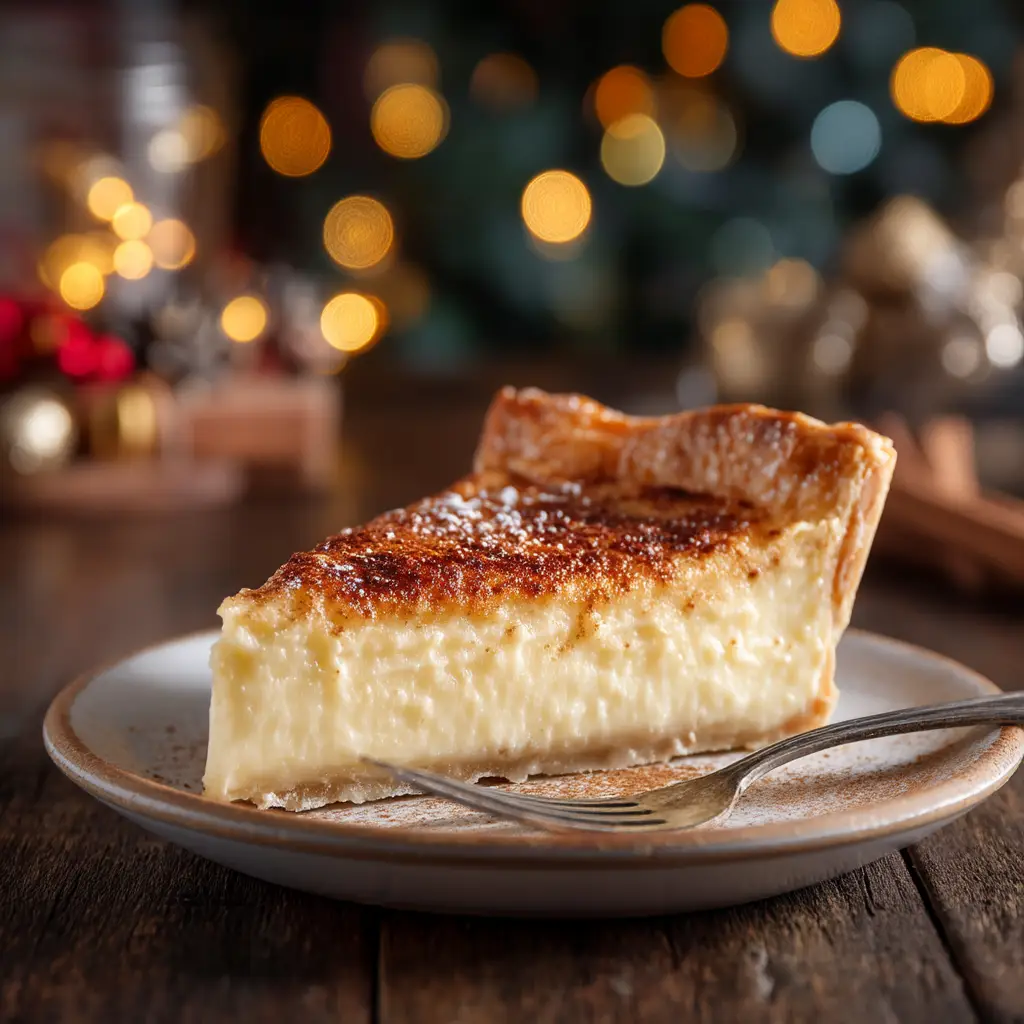
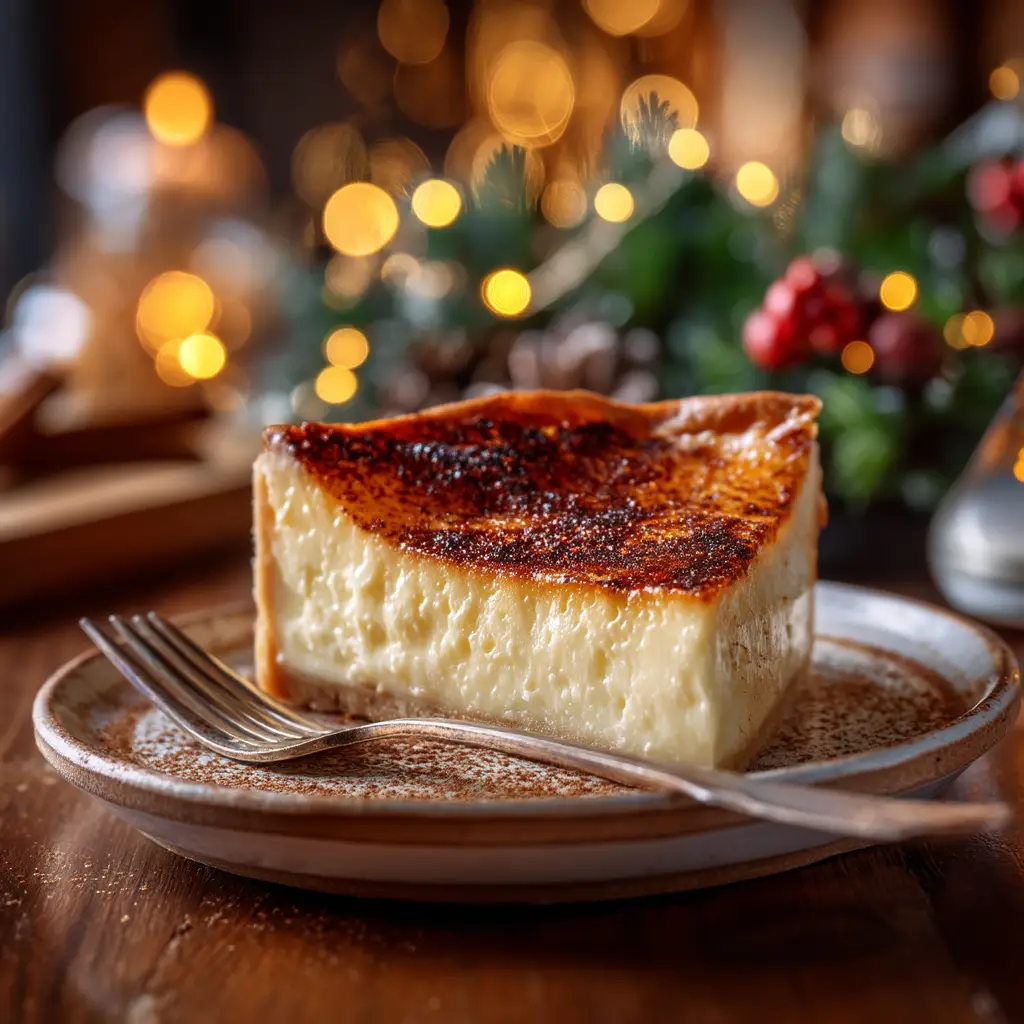
This isn’t just any custard pie. This Christmas Custard Pie recipe is specifically designed for a rich, creamy texture and festive flavor that sets it apart. The filling is a delicate balance of eggs, cream, and sugar, with a generous infusion of vanilla and a hint of nutmeg. It bakes into a smooth, stable custard that slices beautifully, holding its shape without being rubbery or watery. It’s the kind of classic, comforting dessert that brings everyone together, reminding us of old-fashioned holiday traditions.
Ingredients You’ll Need
The beauty of this pie lies in its simplicity. You likely have most of these ingredients in your pantry already. Using high-quality ingredients, especially good vanilla, will make a significant difference in the final flavor.
For the Pie Crust:
- 1 1/4 cups All-Purpose Flour: Provides the structure for our flaky crust.
- 1/2 teaspoon Salt: Enhances the flavor of the butter.
- 1/2 cup Cold Unsalted Butter: Must be very cold and cut into small cubes to create flaky layers.
- 2-4 tablespoons Ice Water: Use just enough to bring the dough together.
For the Custard Filling:
- 4 large Eggs: The foundation of our custard, providing richness and structure.
- 2/3 cup Granulated Sugar: For the perfect amount of sweetness.
- 1/4 teaspoon Salt: Balances the sweetness.
- 2 1/2 cups Whole Milk: Do not substitute for low-fat; the fat content is crucial for a creamy texture.
- 1 tablespoon Vanilla Extract: Use pure vanilla extract for the best flavor.
- 1/4 teaspoon Freshly Grated Nutmeg: The quintessential Christmas spice. Grating it fresh makes all the difference.
How to Make the Perfect Christmas Custard Pie
Follow these steps carefully to achieve a flawlessly smooth and delicious custard pie. The key is to handle the dough minimally and bake the custard gently.
Step 1: Prepare and Blind Bake the Crust
A soggy bottom crust is the enemy of a good custard pie. Blind baking is a non-negotiable step to ensure a crisp, flaky base that can stand up to the liquid filling.
- Combine the flour and salt in a bowl. Cut in the cold butter using a pastry blender or your fingers until the mixture resembles coarse crumbs.
- Drizzle in the ice water, one tablespoon at a time, mixing gently until the dough just comes together.
- Form the dough into a disk, wrap it in plastic, and chill for at least 30 minutes.
- Roll the chilled dough out on a floured surface and fit it into a 9-inch pie plate. Trim and crimp the edges. Prick the bottom with a fork.
- Line the crust with parchment paper, fill with pie weights or dried beans, and bake at 400°F (200°C) for 15 minutes.
- Remove the weights and parchment, then bake for another 5-7 minutes, until the crust is a pale golden brown. Let it cool slightly while you prepare the filling.
Step 2: Create the Silky Custard Filling
The secret to a perfect custard is gentle mixing and careful temperature control. We want to avoid incorporating too much air, which can cause cracking.
- In a large bowl, whisk the eggs, sugar, and salt together until just combined. Don’t over-whisk.
- In a saucepan, gently heat the whole milk over medium heat until it’s warm to the touch and small bubbles form around the edges. Do not let it boil.
- Slowly pour the warm milk into the egg mixture while whisking constantly. This is called tempering and prevents the eggs from scrambling.
- Stir in the vanilla extract and freshly grated nutmeg.
Step 3: Bake to Perfection
Baking a custard pie is a gentle process. A low temperature and careful monitoring are key to achieving that signature smooth texture.
- Reduce your oven temperature to 350°F (175°C).
- Place the partially baked pie crust on a baking sheet. Carefully pour the custard filling into the warm crust.
- Bake for 40-50 minutes. The pie is done when the center is nearly set but still has a slight jiggle (like Jell-O). The edges should be firm.
- Let the pie cool completely on a wire rack for at least 2 hours. This allows the custard to set fully.
Expert Tips for Success
Achieve bakery-level perfection with these pro tips. From texture to flavor, these small details make a big impact.
- Use Room Temperature Eggs: They incorporate more easily and create a smoother custard.
- Don’t Skip Tempering: Pouring the warm milk slowly is crucial. If you rush, you’ll end up with sweet scrambled eggs.
- Avoid Overbaking: The number one cause of watery or cracked custard pie is overbaking. The residual heat will finish cooking the center as it cools.
- Strain the Custard: For an ultra-silky filling, strain the custard mixture through a fine-mesh sieve before pouring it into the crust to catch any potential bits of cooked egg. For another classic dessert, try this incredible Portuguese custard tarts recipe.
Flavor Variations and Serving Suggestions
While the classic recipe is divine, feel free to add your own festive twist. This Christmas Custard Pie is a wonderful canvas for other holiday flavors.
- Eggnog Custard: Replace the whole milk with an equal amount of your favorite full-fat eggnog for a truly festive flavor.
- Citrus Zest: Add a teaspoon of orange or lemon zest to the custard for a bright, fresh note.
- Spiced Whipped Cream: Serve slices with a dollop of homemade whipped cream infused with a pinch of cinnamon or cardamom.
- Caramel Drizzle: A light drizzle of caramel sauce over the top just before serving adds a lovely layer of flavor.
Looking for other holiday treats? These Ginger Molasses Sandwich Cookies are a perfect companion to this pie, as is this classic homemade fudge recipe.
Yes, this pie is great for making ahead. You can bake it a day or two in advance. Let it cool completely, then cover it loosely with plastic wrap and store it in the refrigerator. It’s best served chilled or at room temperature.
Yes, absolutely. A custard filling is very wet, and if you pour it into an unbaked crust, the bottom will become soggy. Blind baking creates a sealed, crisp base that holds the creamy filling perfectly.
Cracking is usually caused by overbaking or baking at too high a temperature. Baking at a moderate 350°F (175°C) and removing the pie from the oven while the center is still slightly wobbly are the best ways to ensure a smooth, crack-free surface.
While both are types of ‘desperation pies’ with simple fillings, the key difference is the liquid. Custard pie is made with milk or cream, resulting in a delicate, eggy flavor. Buttermilk pie uses buttermilk, which gives it a distinctive tangy flavor and a slightly denser texture.
A watery custard pie is almost always a sign of overbaking. When the egg proteins are heated for too long, they curdle and separate, releasing water. To prevent this, bake the pie just until the center has a slight jiggle. It will finish setting as it cools.
Yes, this pie is great for making ahead. You can bake it a day or two in advance. Let it cool completely, then cover it loosely with plastic wrap and store it in the refrigerator. It’s best served chilled or at room temperature.
Yes, absolutely. A custard filling is very wet, and if you pour it into an unbaked crust, the bottom will become soggy. Blind baking creates a sealed, crisp base that holds the creamy filling perfectly.
Cracking is usually caused by overbaking or baking at too high a temperature. Baking at a moderate 350°F (175°C) and removing the pie from the oven while the center is still slightly wobbly are the best ways to ensure a smooth, crack-free surface.
While both are types of ‘desperation pies’ with simple fillings, the key difference is the liquid. Custard pie is made with milk or cream, resulting in a delicate, eggy flavor. Buttermilk pie uses buttermilk, which gives it a distinctive tangy flavor and a slightly denser texture.
A watery custard pie is almost always a sign of overbaking. When the egg proteins are heated for too long, they curdle and separate, releasing water. To prevent this, bake the pie just until the center has a slight jiggle. It will finish setting as it cools.
Closing Thoughts
This Christmas Custard Pie is more than just a dessert; it’s a slice of holiday nostalgia. Its creamy texture and warm, spiced flavor are sure to win over your family and friends. We hope you enjoy making and sharing this recipe. If you bake it, please share your creations and tag us on Pinterest! We love seeing how our recipes come to life in your kitchen.
Christmas Custard Pie: A Creamy, Classic Holiday Recipe
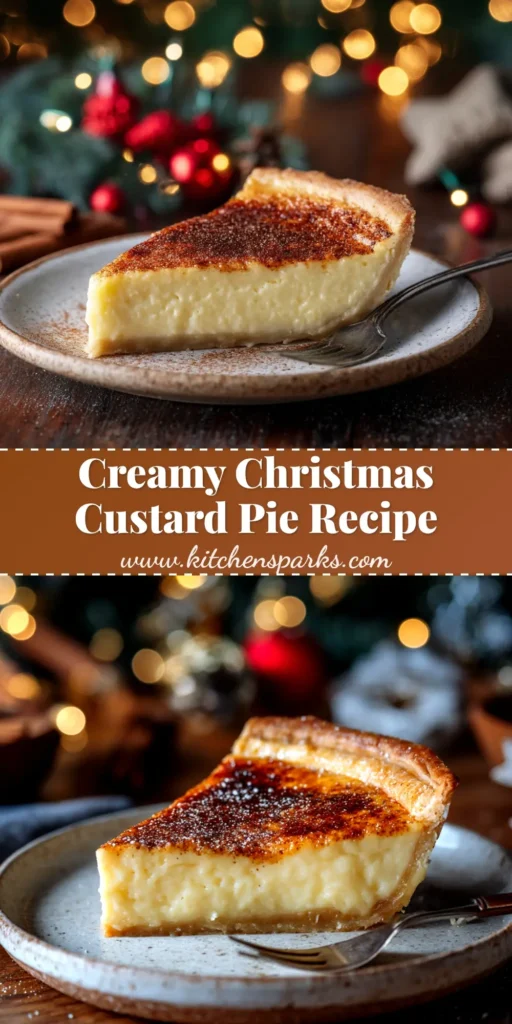
This Christmas Custard Pie is a timeless holiday dessert featuring a silky, rich vanilla custard filling in a flaky, blind-baked crust. A simple, elegant recipe guaranteed to be the star of your festive table.
Ingredients
Equipment
Method
Prepare and Blind Bake the Crust- Combine the flour and salt in a bowl. Cut in the cold butter using a pastry blender or your fingers until the mixture resembles coarse crumbs.
- Drizzle in the ice water, one tablespoon at a time, mixing gently until the dough just comes together.
- Form the dough into a disk, wrap it in plastic, and chill for at least 30 minutes.
- Roll the chilled dough out on a floured surface and fit it into a 9-inch pie plate. Trim and crimp the edges. Prick the bottom with a fork.
- Line the crust with parchment paper, fill with pie weights or dried beans, and bake at 400°F (200°C) for 15 minutes.
- Remove the weights and parchment, then bake for another 5-7 minutes, until the crust is a pale golden brown. Let it cool slightly while you prepare the filling.
Create the Silky Custard Filling- In a large bowl, whisk the eggs, sugar, and salt together until just combined. Don't over-whisk.
- In a saucepan, gently heat the whole milk over medium heat until it's warm to the touch and small bubbles form around the edges. Do not let it boil.
- Slowly pour the warm milk into the egg mixture while whisking constantly. This is called tempering and prevents the eggs from scrambling.
- Stir in the vanilla extract and freshly grated nutmeg.
Bake to Perfection- Reduce your oven temperature to 350°F (175°C).
- Place the partially baked pie crust on a baking sheet. Carefully pour the custard filling into the warm crust.
- Bake for 40-50 minutes. The pie is done when the center is nearly set but still has a slight jiggle (like Jell-O). The edges should be firm.
- Let the pie cool completely on a wire rack for at least 2 hours. This allows the custard to set fully.
Notes
Use Room Temperature Eggs: They incorporate more easily and create a smoother custard.
Don't Skip Tempering: Pouring the warm milk slowly is crucial. If you rush, you'll end up with sweet scrambled eggs.
Avoid Overbaking: The number one cause of watery or cracked custard pie is overbaking. The residual heat will finish cooking the center as it cools.
Strain the Custard: For an ultra-silky filling, strain the custard mixture through a fine-mesh sieve before pouring it into the crust.
Christmas Custard Pie: A Creamy, Classic Holiday Recipe
Ingredients
Equipment
Method
- Combine the flour and salt in a bowl. Cut in the cold butter using a pastry blender or your fingers until the mixture resembles coarse crumbs.
- Drizzle in the ice water, one tablespoon at a time, mixing gently until the dough just comes together.
- Form the dough into a disk, wrap it in plastic, and chill for at least 30 minutes.
- Roll the chilled dough out on a floured surface and fit it into a 9-inch pie plate. Trim and crimp the edges. Prick the bottom with a fork.
- Line the crust with parchment paper, fill with pie weights or dried beans, and bake at 400°F (200°C) for 15 minutes.
- Remove the weights and parchment, then bake for another 5-7 minutes, until the crust is a pale golden brown. Let it cool slightly while you prepare the filling.
- In a large bowl, whisk the eggs, sugar, and salt together until just combined. Don't over-whisk.
- In a saucepan, gently heat the whole milk over medium heat until it's warm to the touch and small bubbles form around the edges. Do not let it boil.
- Slowly pour the warm milk into the egg mixture while whisking constantly. This is called tempering and prevents the eggs from scrambling.
- Stir in the vanilla extract and freshly grated nutmeg.
- Reduce your oven temperature to 350°F (175°C).
- Place the partially baked pie crust on a baking sheet. Carefully pour the custard filling into the warm crust.
- Bake for 40-50 minutes. The pie is done when the center is nearly set but still has a slight jiggle (like Jell-O). The edges should be firm.
- Let the pie cool completely on a wire rack for at least 2 hours. This allows the custard to set fully.
Notes
Don't Skip Tempering: Pouring the warm milk slowly is crucial. If you rush, you'll end up with sweet scrambled eggs.
Avoid Overbaking: The number one cause of watery or cracked custard pie is overbaking. The residual heat will finish cooking the center as it cools.
Strain the Custard: For an ultra-silky filling, strain the custard mixture through a fine-mesh sieve before pouring it into the crust.