There is something undeniably hypnotic about a perfectly crafted Mango Mochi. Imagine a handheld treat so soft it yields to the slightest touch, dusted with a fine layer of silken starch that feels like velvet against your skin.
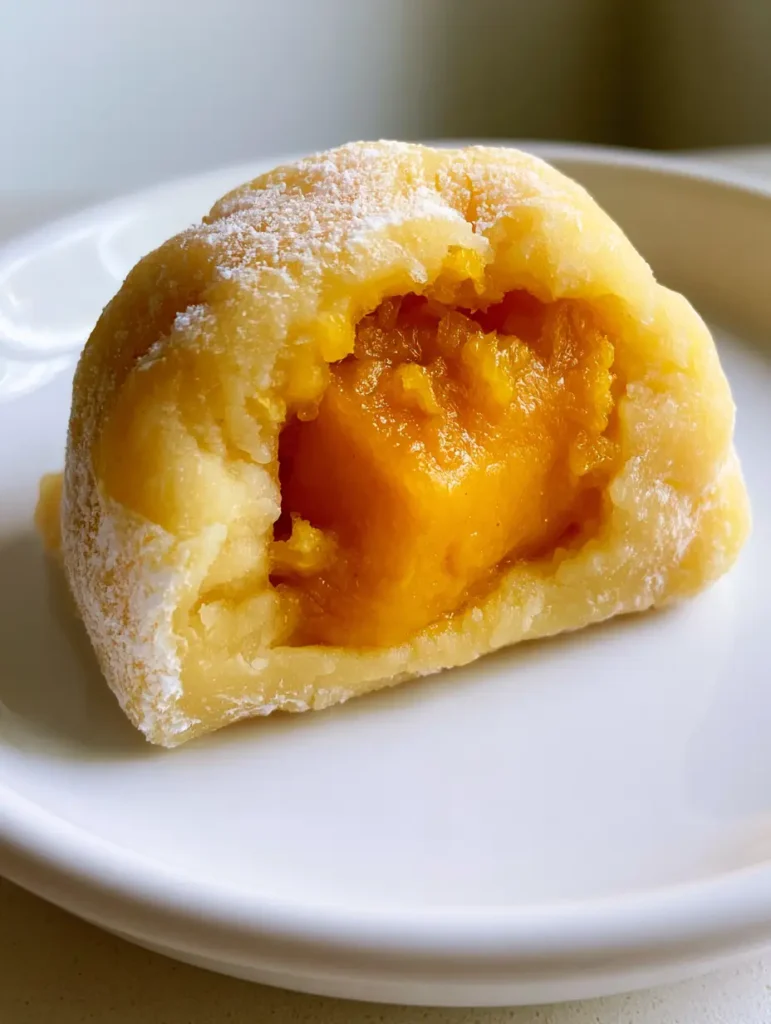
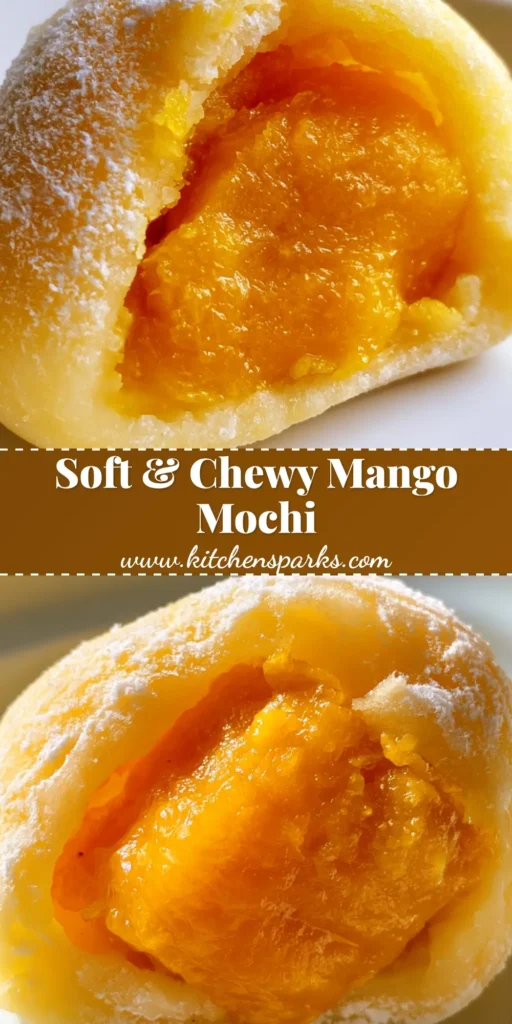
When you slice into this pale yellow gem, you are met with a vibrant, juicy cube of fresh orange mango that practically glows against the elastic dough. This recipe captures that exact sensory experience, delivering a succulent and fibrous center wrapped in a pillowy, sweet embrace.
Inspired by the traditional flavors of Southeast Asia, this Mango Mochi balances the earthy sweetness of glutinous rice with the bright, acidic punch of a sun-ripened mango. It is a masterclass in texture and visual appeal, designed for the home cook who appreciates culinary precision.
Why You Will Fall in Love with This Mango Mochi Masterpiece
- Perfectly Elastic Texture: Our ratio of glutinous rice flour to liquid ensures a dough that is stretchy and durable without being overly sticky.
- Vibrant Natural Color: By using a touch of mango juice and pale yellow coloring, the skin mirrors the beautiful fruit hidden inside.
- Juicy Fruit Core: Unlike mochi filled with paste, this version features a massive, fibrous cube of fresh mango for a refreshing burst of juice in every bite.
- Professional Finish: A delicate dusting of fine white cornstarch prevents sticking while providing that classic, matte artisanal look.
The Essential Components for Tropical Mochi Perfection
Glutinous Rice Flour (1 cup / 125g): This is the backbone of the recipe, providing the signature “mochi-mochi” chew that cannot be replicated with standard rice flour. Use a high-quality brand like Mochiko or Shiratamako for the smoothest results.
Granulated Sugar (1/4 cup / 50g): Sugar doesn’t just sweeten the dough; it acts as a tenderizer, keeping the mochi soft and preventing it from becoming tough as it cools.
Mango Juice or Puree (3/4 cup / 180ml): This provides the liquid base for the dough, infusing it with flavor and contributing to the pale yellow hue seen in our visual blueprint.
Neutral Vegetable Oil (1 tbsp / 15ml): A small amount of oil is the secret to an elastic, pliable dough that won’t tear when you wrap it around the large mango cubes.
Fresh Ripe Mangoes (2 large): Look for Honey (Ataulfo) or Kent mangoes, which offer a succulent, non-stringy texture that pairs perfectly with the soft dough.
Cornstarch (1/2 cup / 60g): This is used exclusively for dusting your workspace and the finished Mango Mochi to ensure they remain easy to handle and visually elegant.
Precision Tools for Your Mochi Kitchen
To achieve the smooth, uniform skin shown in our photos, a few specific tools are required. A heat-proof glass bowl is essential for the steaming process, as it allows for even heat distribution.
You will also need a silicone spatula, which is naturally non-stick and helps you fold the dough effectively as it thickens. Finally, a sharp chef’s knife is necessary to create those clean, vibrant cubes of fruit that form the juicy center.
The Step-by-Step Guide to Mango Mochi Success
Preparing the Vibrant Mango Heart
Begin by peeling your mangoes and slicing the cheeks away from the large flat pit. Cut the flesh into uniform cubes, approximately 1 inch (2.5cm) in size, ensuring they are succulent and fibrous.
Place these cubes on a paper towel-lined plate to absorb excess moisture. This ensures the juice doesn’t seep through the dough during the wrapping process, maintaining that clean, handheld look.
Mixing the Pale Yellow Dough
In your heat-proof bowl, whisk together the glutinous rice flour, sugar, and a pinch of salt. Gradually pour in the mango juice and a drop of pale yellow food coloring, whisking constantly until the batter is completely smooth.
Stir in the neutral oil until no streaks remain. The batter should be thin and a consistent, sunny yellow color, ready to be transformed by the steam.
The Steaming Process for Elasticity
Cover the bowl tightly with plastic wrap and pierce a few small holes in the top. Place the bowl in a steamer basket over boiling water for 15-20 minutes.
The dough is ready when it has changed from a liquid batter to a translucent, matte, and slightly bouncy mass. When poked with a spatula, it should feel remarkably elastic and hold its shape.
Kneading and Dusting for Texture
Generously dust a clean work surface with the fine white cornstarch. Scrape the hot dough onto the starch and use a starch-covered spatula to fold it over itself several times.
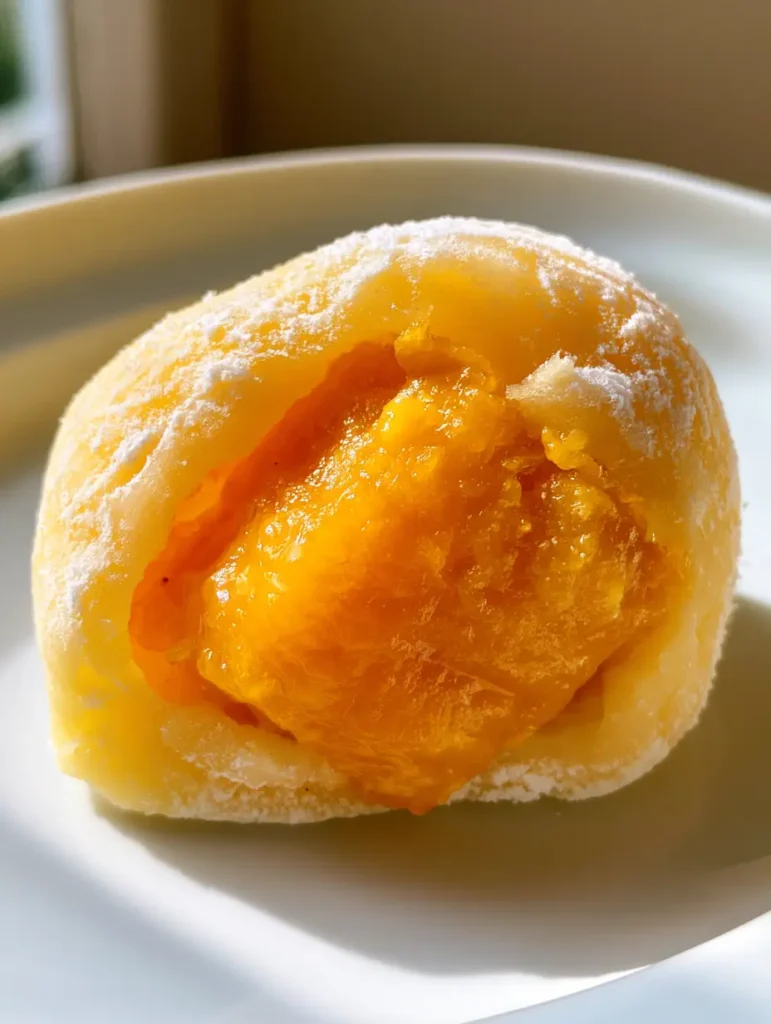
This “kneading” process helps develop the structure and ensures the Mango Mochi has that signature handheld smartphone photo-ready appearance—smooth, soft, and perfectly matte.
Assembling the Perfect Mochi Ball
Divide the dough into 8 equal portions. Flatten one portion into a disc, place a vibrant mango cube in the center, and pinch the edges of the dough over the fruit to seal it completely.
Roll the ball gently between your palms to smooth out any seams, then give it a final light roll in cornstarch. The result is a single, soft, pale yellow mochi ball that looks like a work of art on a plain white ceramic plate.
Expert Tips for a Flawless Finish
- Control the Moisture: If your mangoes are exceptionally juicy, pat them dry multiple times. Excess liquid is the enemy of a clean mochi seal.
- Keep Your Hands Dusted: Always keep a small bowl of cornstarch nearby. If the dough starts to stick to your fingers, a quick dip in the starch will save the day.
- Avoid Overcooking: Steaming for too long can make the dough rubbery rather than elastic. Check the texture at the 15-minute mark.
- Serve at Room Temp: While the mango is best fresh, the mochi skin has the best “pull” and chew when it isn’t chilled.
Creative Pairings and Serving Suggestions
This Mango Mochi is a standout dessert on its own, but it also pairs beautifully with other tropical-inspired dishes. For a full Southeast Asian spread, consider serving these alongside mango sticky rice rolls for a duo of textures.
If you are looking for a more varied dessert table, the creaminess of this mochi provides a lovely contrast to a no-bake banana pudding cheesecake. For those who enjoy a mix of sweet and savory, these mochi make a refreshing follow-up to a meal of coconut pineapple rice.
Storage and Freshness Guidelines
Mango Mochi is best enjoyed on the day it is made to appreciate the succulent texture of the fresh fruit. If you must store them, place them in an airtight container at room temperature for up to 24 hours.
Avoid refrigerating the mochi if possible, as the cold temperature will cause the glutinous rice dough to harden and lose its elastic quality. If you do refrigerate, let them sit at room temperature for 30 minutes before serving to soften.
Frequently Asked Questions
Yes, you can cook the dough in a microwave-safe bowl in 1-minute intervals, stirring in between, until the dough becomes translucent and bouncy.
No, regular rice flour will result in a crumbly cake-like texture. Only glutinous rice flour (Mochiko or Shiratamako) provides the elastic, chewy texture required for Mango Mochi.
Mango Mochi is best consumed within 24 hours. Because it contains fresh fruit, the juice will eventually make the dough soggy if stored for too long.
Honey (Ataulfo) mangoes are ideal because they are creamy, sweet, and lack the tough fibers found in other varieties, making for a better biting experience.
Stickiness usually comes from undercooking or not using enough cornstarch. Ensure the dough is matte and translucent after steaming, and keep your hands and surface well-dusted.
The Ultimate Fresh Mango Mochi Recipe
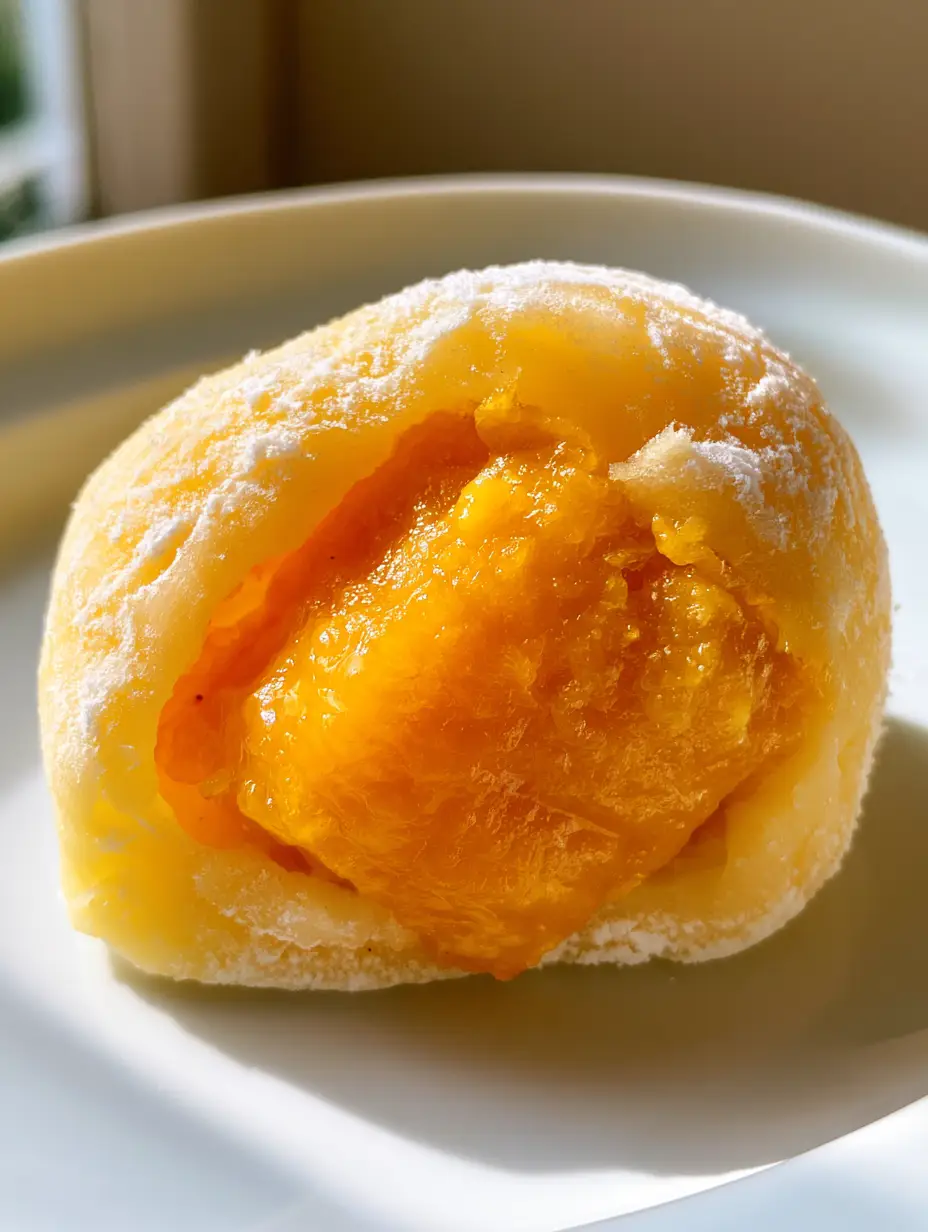
Mango Mochi: The Ultimate Soft and Chewy Tropical Dessert Recipe
Ingredients
Equipment
Method
- Peel and cut the mangoes into 1-inch (2.5cm) cubes. Pat dry with paper towels to ensure a clean seal.
- Whisk glutinous rice flour, sugar, mango juice, oil, and food coloring in a heat-proof bowl until smooth.
- Cover with vented plastic wrap and steam for 15-20 minutes until the dough is matte and elastic.
- Turn dough onto a cornstarch-dusted surface. Fold and knead until smooth and easy to handle.
- Divide dough into 8 pieces. Flatten each, place a mango cube in the center, and pinch to seal into a ball.
Notes
Work with the dough while it is still warm for maximum elasticity.
Join the Kitchen Spark Community!
We hope this Mango Mochi brings a burst of tropical sunshine to your kitchen! The combination of the chewy, pale yellow skin and that juicy mango center is a culinary experience you won’t soon forget.
If you enjoyed this recipe, please leave a comment below and let us know how your mochi turned out! Don’t forget to follow us on Pinterest for more visually stunning recipe inspiration and kitchen tips.