Bringing the magic of the carnival into your own kitchen sounds like a whimsical dream, but achieving that ethereal, cloud-like texture is entirely possible with Homemade Cotton Candy Without a Machine. Forget the bulky plastic appliances; we are going back to the traditional roots of confectionery art—hand-spun sugar.
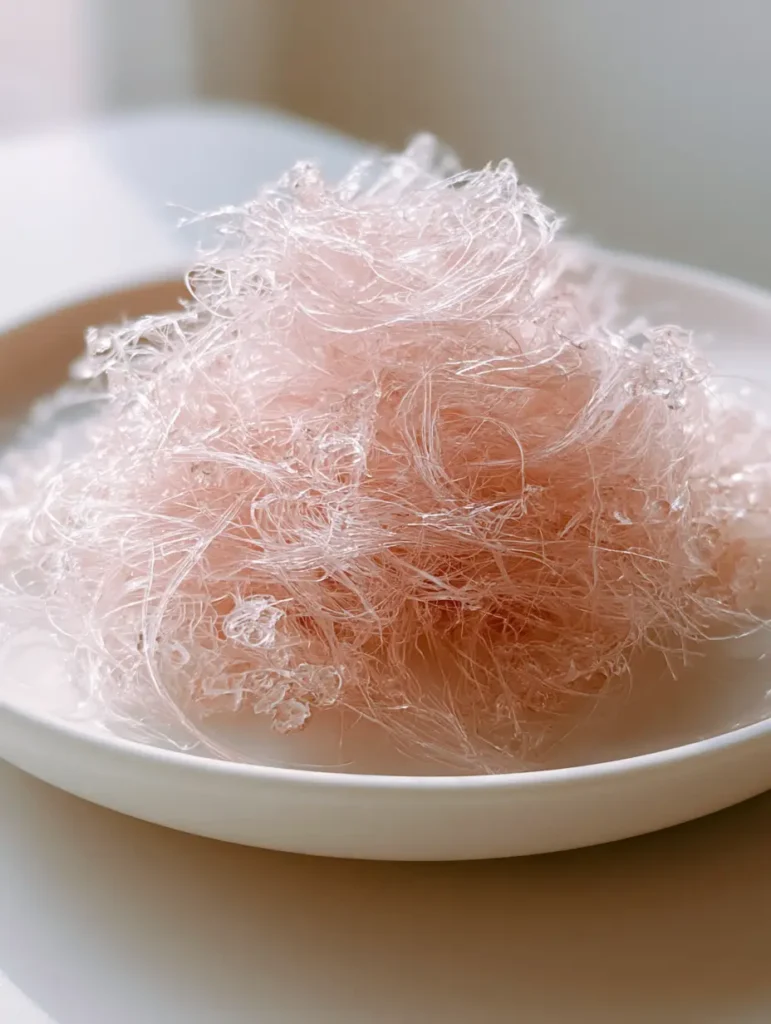
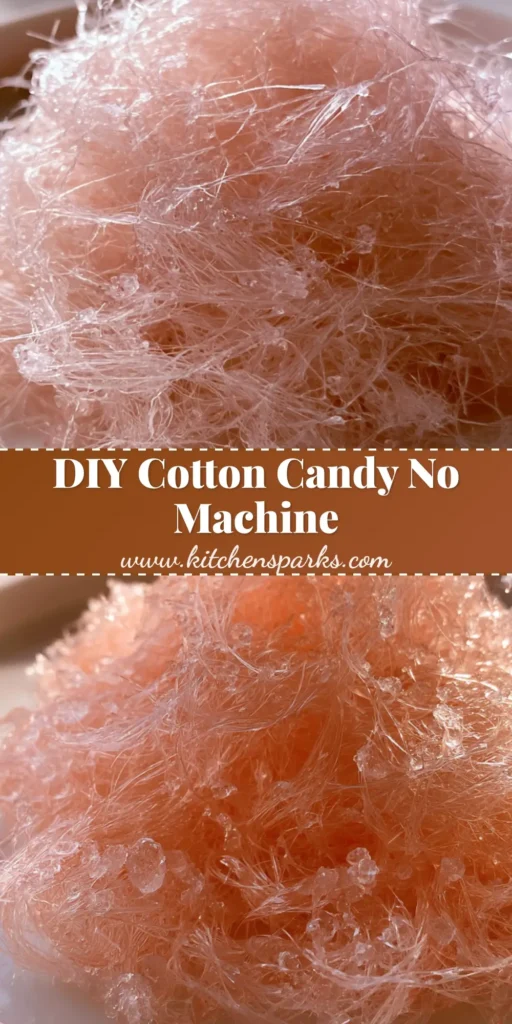
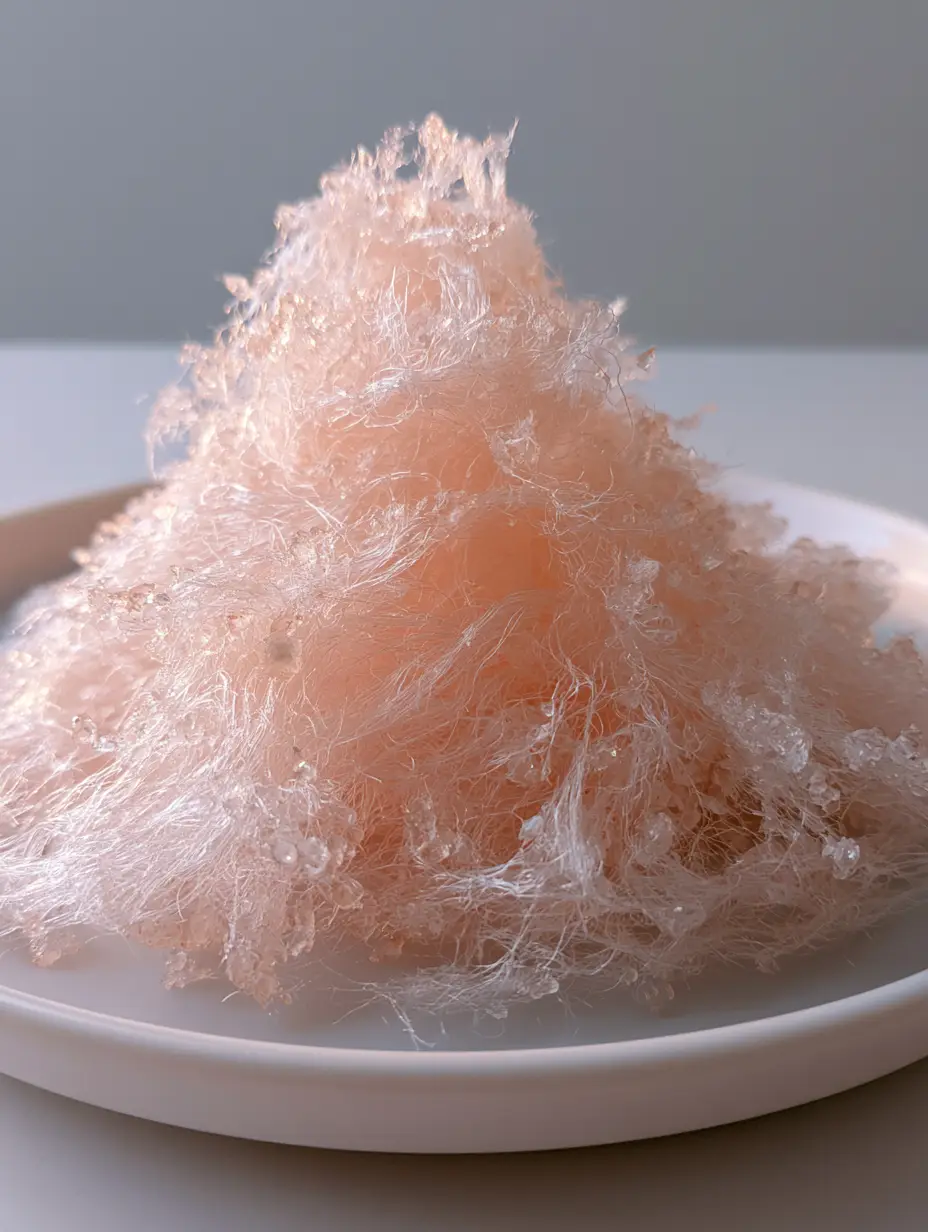
Imagine a heap of delicate, wispy, translucent hand-spun sugar threads gathered on a plain white ceramic plate, catching the soft natural daylight in your kitchen. This method creates an incredibly fine, web-like texture and a pale, ethereal pink hue that looks just as magical as it tastes. While it requires a bit of patience and a steady hand, the result is a sophisticated version of a childhood classic, complete with those charming, hardened crystalline sugar droplets where the syrup has set perfectly.
Why You Will Love This Hand-Spun Sugar Project
- Authentic Texture: Unlike machine-made fluff, this version offers a unique combination of wispy strands and tiny, crunchy sugar droplets that provide a gourmet mouthfeel.
- No Specialized Equipment: You don’t need a spinning centrifugal head; just a common kitchen whisk and a sturdy pot will do the trick.
- Customizable Aesthetics: Control the exact shade of pale pink and the intensity of your flavoring for a bespoke dessert experience.
- Culinary Science in Action: It is a fantastic way to master the hard-crack stage of sugar, a fundamental skill for any aspiring pastry chef.
The Essential Components for Crystalline Perfection
To achieve the “wispy hand-spun sugar strands” described in our visual blueprint, you need specific ingredients that manage the molecular structure of the syrup. Each component plays a scientific role in ensuring the sugar doesn’t crystallize too early or collapse into a sticky mess.
Granulated White Sugar: 2 cups (400g). This provides the structural foundation for your translucent sugar fibers, offering the clean sweetness and clarity needed for a pale pink result.
Light Corn Syrup: 1/2 cup (120ml). This is your “interfering agent,” which prevents the sugar from re-crystallizing into large chunks, allowing it to stretch into those fine, web-like threads.
Water: 1/2 cup (120ml). Pure water acts as the solvent, ensuring the sugar dissolves evenly and heats at a consistent rate throughout the cooking process.
Fine Sea Salt: 1/4 tsp (1.5g). A tiny pinch of salt cuts through the intense sweetness and enhances the subtle fruit flavors you might add.
Pale Pink Gel Food Coloring: 1-2 small drops. Gel is preferred over liquid to avoid introducing excess moisture, which can ruin the delicate “ethereal pink hue.”
Raspberry or Vanilla Extract: 1/2 tsp (2.5ml). This adds a nostalgic scent and flavor that perfectly complements the light, airy mound of sugar.
Tools Required for the Hand-Spun Technique
You likely already have everything needed for Homemade Cotton Candy Without a Machine in your pantry. To get those “fine, web-like textures,” we will modify a common tool.
A Modified Wire Whisk: Take an old wire whisk and use wire cutters to snip the loops at the very end. This creates a series of straight tines that will “throw” the sugar strands across your work surface.
Heavy-Bottomed Saucepan: A thick base ensures even heat distribution and prevents the sugar from scorching before it reaches the necessary temperature.
Candy Thermometer: Precision is non-negotiable here. You must hit the hard-crack stage exactly to ensure the strands set instantly in the air.
Parchment Paper or a Clean Rolling Pin: You will need a surface to “catch” the spun sugar. I prefer draping long strands over a parchment-lined counter or a suspended rolling pin.
Mastering the Hand-Spinning Process
Step 1: Preparing the Sugar Base
In your heavy-bottomed saucepan, combine the granulated sugar, light corn syrup, water, and salt. Stir over medium heat until the sugar is fully dissolved and the liquid is clear. Use a wet pastry brush to wipe down any sugar crystals on the sides of the pot to prevent a chain reaction of crystallization.
Step 2: Reaching the Hard-Crack Stage
Increase the heat and bring the mixture to a boil. Clip your candy thermometer to the side, ensuring it doesn’t touch the bottom of the pan. Cook without stirring until the temperature reaches exactly 300°F (149°C). This is the “hard-crack” stage, essential for creating strands that hold their shape rather than melting.
Step 3: Tinting and Flavoring
Once you hit 300°F (149°C), remove the pan from the heat immediately. Stir in your pale pink gel coloring and the extract. The mixture will bubble vigorously; this is normal. Wait for the bubbles to subside until the syrup is smooth and translucent.
Step 4: The Art of the Spin
Dip your modified whisk into the hot syrup, letting the excess drip off for a second. Holding the whisk over your prepared parchment paper, flick your wrist rapidly back and forth. You will see “wispy hand-spun sugar strands” beginning to form and drape over the surface. The motion should be fast and rhythmic to create the finest fibers.
Step 5: Gathering the Mound
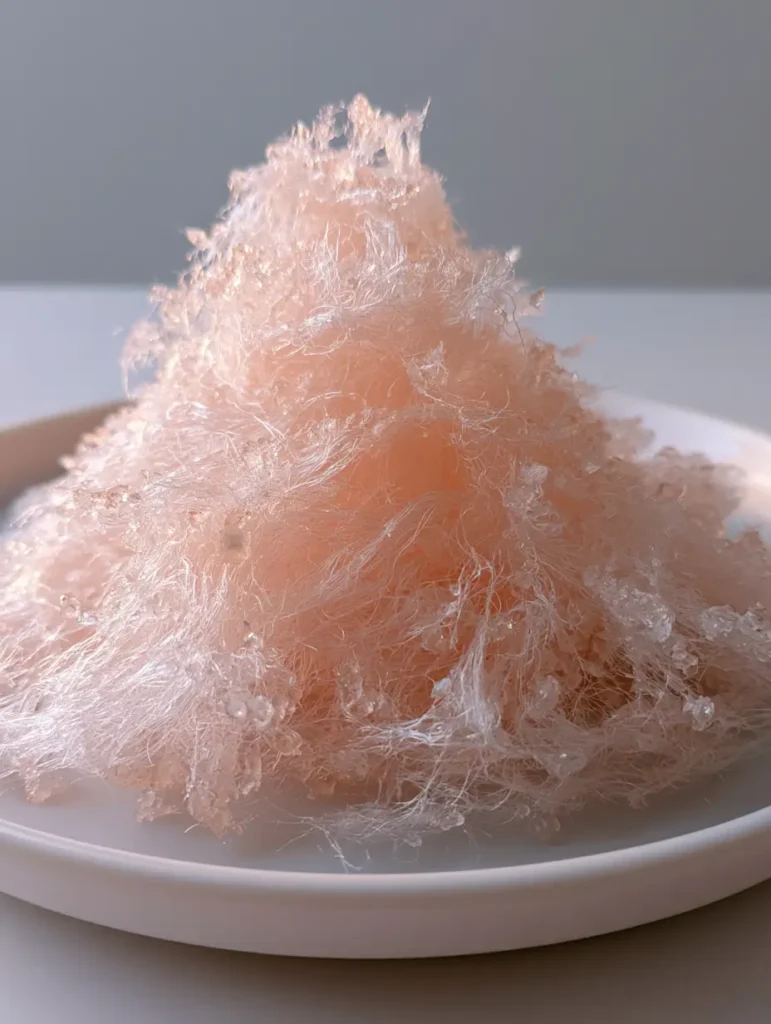
As the sugar cools on the parchment, it will set into “translucent sugar fibers.” Carefully gather these threads using your fingers or a wooden skewer, piling them high into a light, airy mound on a white ceramic plate. You will notice small, hardened crystalline sugar droplets—these add a beautiful, authentic “everyday kitchen” look to the final dish.
Expert Tips for Confectionery Success
- Control the Humidity: Sugar is hygroscopic, meaning it pulls moisture from the air. Only attempt this on a dry day; high humidity will cause your wispy strands to melt into a sticky puddle within minutes.
- The “Flick” Technique: Don’t move your whole arm; use your wrist to create the rapid, snapping motion. This creates thinner, more “web-like” textures.
- Work Quickly: The syrup will thicken as it cools. If it becomes too thick to spin, place the pot back on low heat for a few seconds to loosen it up.
- Safety First: Boiling sugar is extremely hot. Wear long sleeves and perhaps even kitchen gloves to protect your skin from stray droplets.
How to Store Hand-Spun Sugar
Because of its delicate nature, Homemade Cotton Candy Without a Machine is best enjoyed immediately. If you must store it, place it in an airtight container with a silica gel packet (food safe) to absorb moisture. Even then, it will only maintain its “wispy” texture for about an hour before it begins to soften.
What to Serve With This Sweet Treat
While this hand-spun sugar is a showstopper on its own, it also makes for a stunning garnish. Try placing a small mound on top of sweet strawberry cheesecake wontons for a playful texture contrast.
If you are hosting a dessert party, use these pale pink fibers to decorate a cake frosted with perfectly piped Italian meringue buttercream. The translucent threads look beautiful against the matte finish of the frosting. For a richer pairing, serve a small nest of sugar alongside a bowl of fruit dipped in decadent chocolate ganache.
Frequently Asked Questions
It is not recommended. Sugar is highly hygroscopic and will absorb moisture from the air, causing your delicate strands to dissolve and become sticky almost instantly.
It is better to use gel food coloring. Liquid coloring adds extra moisture which can throw off the temperature and the final texture of the sugar fibers.
Use wire cutters to snip the curved loops of a standard wire whisk. This creates straight, needle-like tines that are perfect for throwing thin strands of sugar syrup.
The sugar syrup must reach the ‘hard-crack stage,’ which is exactly 300°F (149°C). This ensures the sugar sets immediately into brittle, wispy strands upon contact with the air.
This usually happens if the sugar crystallizes in the pot. Ensure you use corn syrup as an interfering agent and avoid stirring the syrup once it begins to boil.
The Complete Homemade Cotton Candy Recipe
Homemade Cotton Candy Without a Machine: The Ultimate Hand-Spun Guide
Ingredients
Equipment
Method
- In a heavy-bottomed saucepan, combine sugar, corn syrup, water, and salt. Stir over medium heat until dissolved and clear.
- Boil without stirring until a candy thermometer reads exactly 300°F (149°C). Remove from heat immediately.
- Carefully stir in the gel coloring and extract. Let the bubbles subside until the syrup is smooth and translucent pink.
- Dip the modified whisk into the syrup and flick it rapidly back and forth over parchment paper to create fine, wispy strands.
- Gather the translucent sugar fibers into a light, airy mound on a white ceramic plate. Notice the hardened droplets for a rustic touch.
Notes
Wear protective clothing to avoid burns from hot sugar spray.
Conclusion: Bringing the Fairground Home
Mastering Homemade Cotton Candy Without a Machine is a rewarding challenge for any home cook looking to expand their pastry skills. The sight of those pale pink translucent sugar fibers piled high on a white plate is enough to spark joy in guests of all ages. It’s a reminder that with a little science and a bit of wrist action, you can create something truly “ethereal” from just sugar and water.
Did your sugar spin into perfect webs? We’d love to hear about your experience! Leave a comment below, and don’t forget to share your hand-spun creations with us on Pinterest.